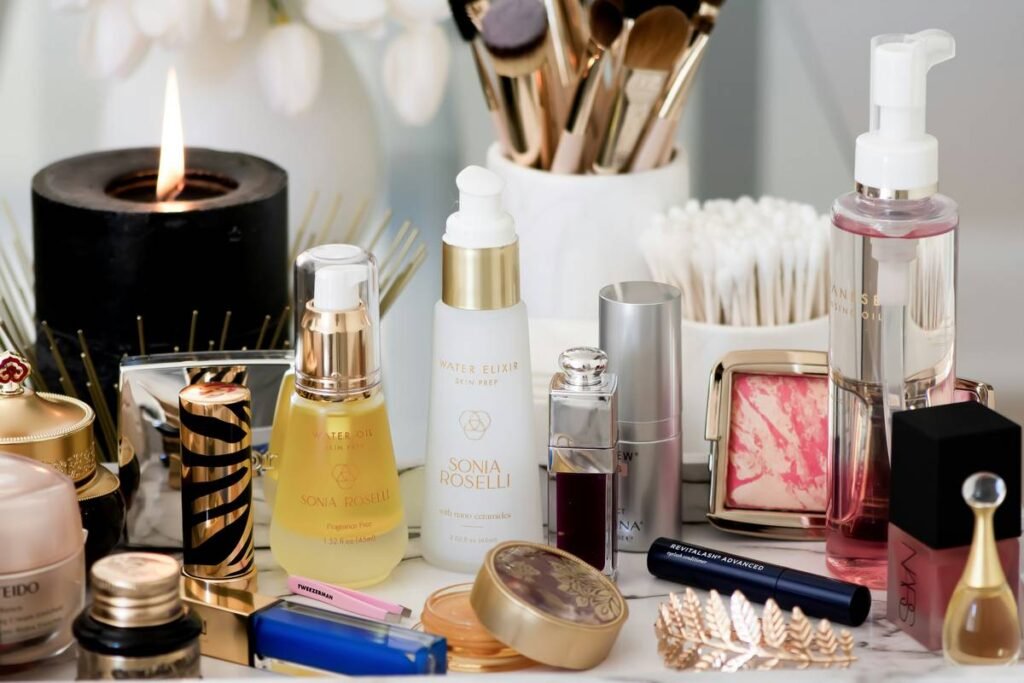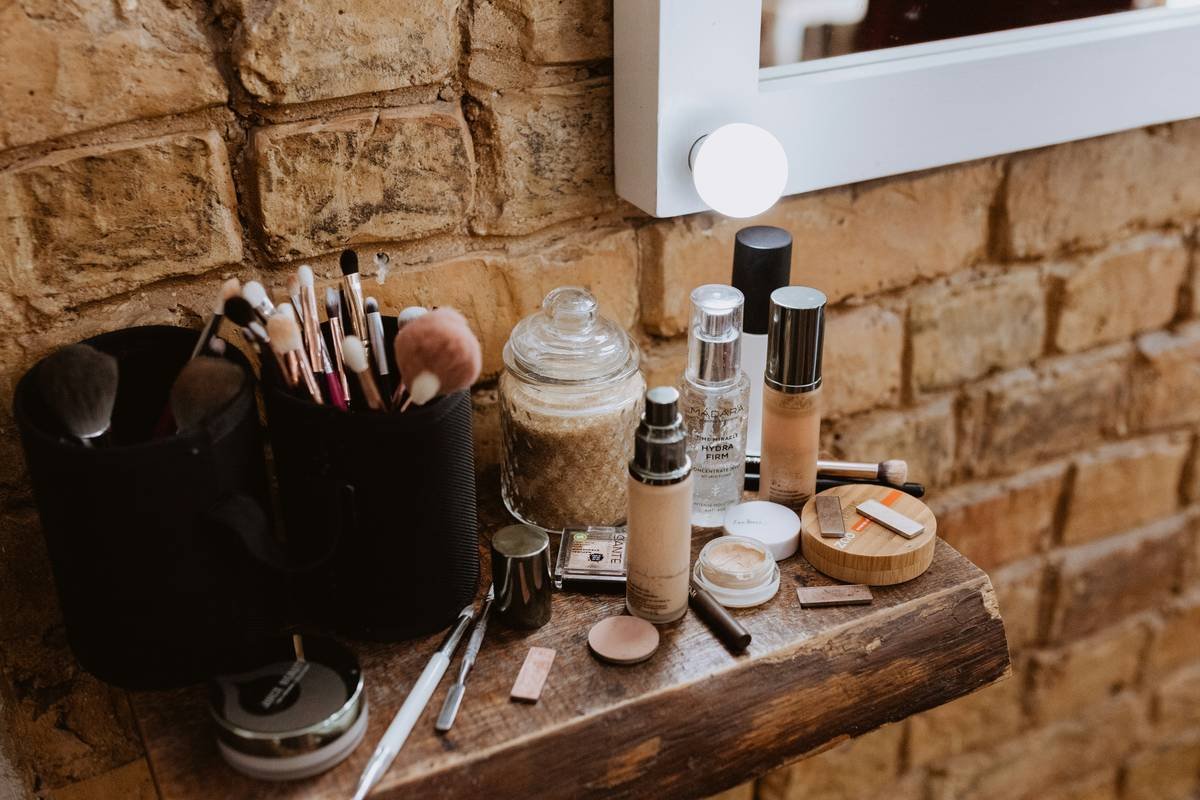
You spent $45 on that new foundation. You watched three tutorials before blending it just right. But your makeup bag case? Tossed in a crumpled corner of your tote, spilling powder compacts and snapping eyeliner pencils. And you wonder why your routine feels chaotic every morning.
The Hidden Cost of a Bad Makeup Bag Case
Most people treat their makeup storage like an afterthought—until it ruins a $30 lipstick or forces them to dig through crumbs and loose eyeshadow for ten minutes before work. The truth? A flimsy, poorly organized makeup bag case doesn’t just inconvenience you—it degrades product integrity, encourages overbuying (“I can’t find my blush, so I’ll buy another”), and adds friction to self-care.
Think about it: if your tools aren’t protected and accessible, your ritual collapses before it begins.
How to Choose & Organize the Perfect Makeup Bag Case
Forget “cute” for a second. Functionality first. Here’s how to build a system—not just buy a bag.
Material Matters More Than You Think
Vinyl looks luxe but traps moisture. Nylon wipes clean but shows every smudge. Silicone? Flexible and spill-proof—but can feel cheap. The winner for most? Water-resistant polyester with a wipeable interior lining. Durable, lightweight, and won’t harbor bacteria.
Compartments ≠ Clutter
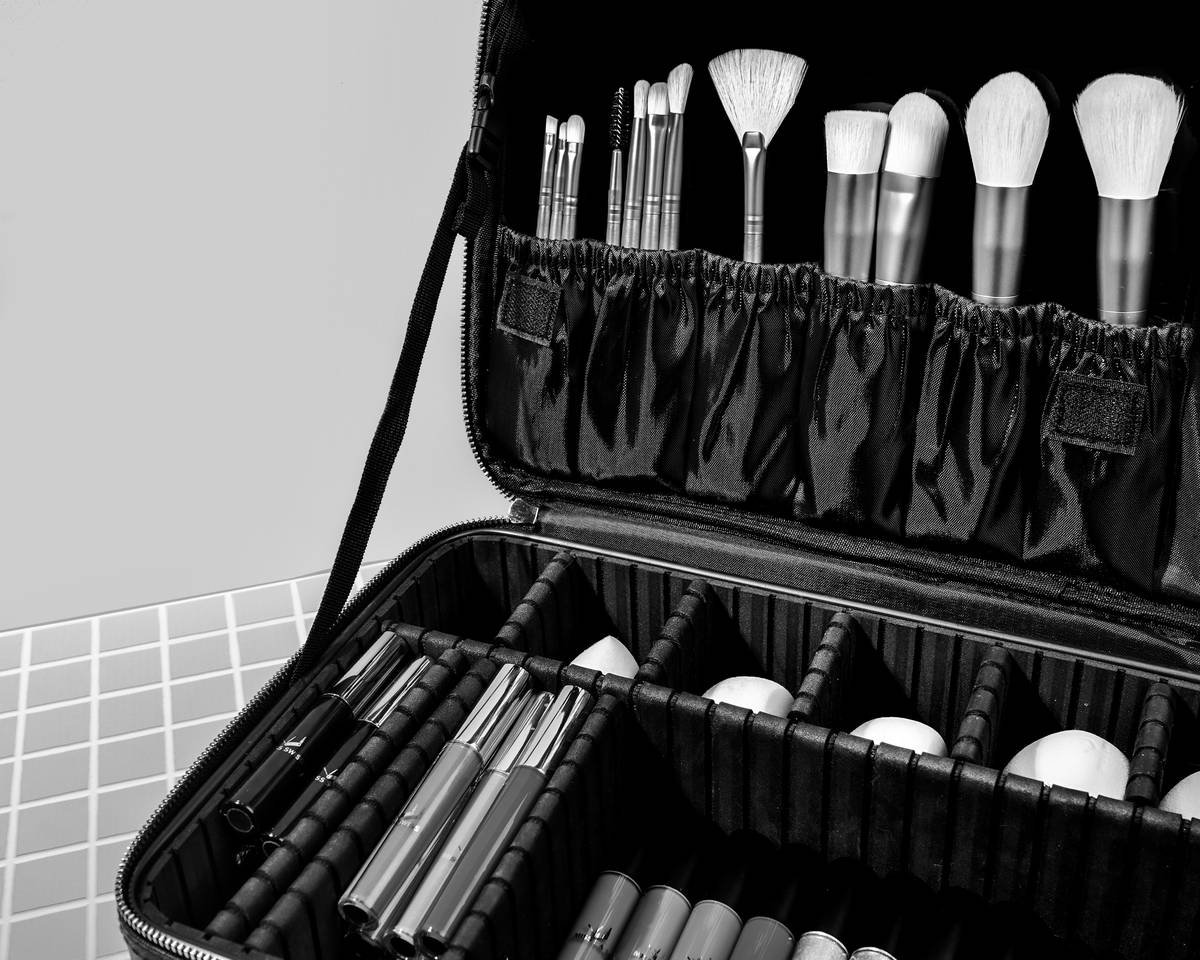
More pockets don’t always mean better organization. A single main compartment with removable dividers adapts to your evolving kit—travel-sized today, full glam tomorrow. Avoid zippers inside zippers. They snag brushes and break fast.
Size Should Match Your Real Life
If you only use five products daily, a 12″x8″ behemoth is overkill—and harder to toss in your gym bag or desk drawer. Be ruthless. Measure your largest item (usually a brush set or foundation bottle) and add 1.5 inches. That’s your max.
| Bag Type | Best For | Price Range | Durability Score (1-10) |
|---|---|---|---|
| Flat Pouch | Minimalists, touch-ups only | $8–$18 | 6 |
| Structured Case with Dividers | Daily users, professionals | $22–$45 | 9 |
| Toiletry-Style Hanging Bag | Travelers, hotel stays | $15–$30 | 7 |
| Roll-Up Brush Organizer | Brush collectors, artists | $12–$28 | 5 |
The Industry Secret: Pros Don’t Use “Makeup Bags”
Here’s what no beauty brand tells you: professional makeup artists rarely rely on a single “bag.” Instead, they use a modular system—a hard-shell case for liquids, a soft roll for brushes, and a tiny zip pouch for backups. Why? Because one-size-fits-all fails under real pressure. Your at-home kit should mirror this: separate what leaks (mascaras, foundations) from what scratches (powders, metals). Store sharp tools upright. Keep cotton pads dry. It’s not extra work—it’s damage control that saves money long-term.
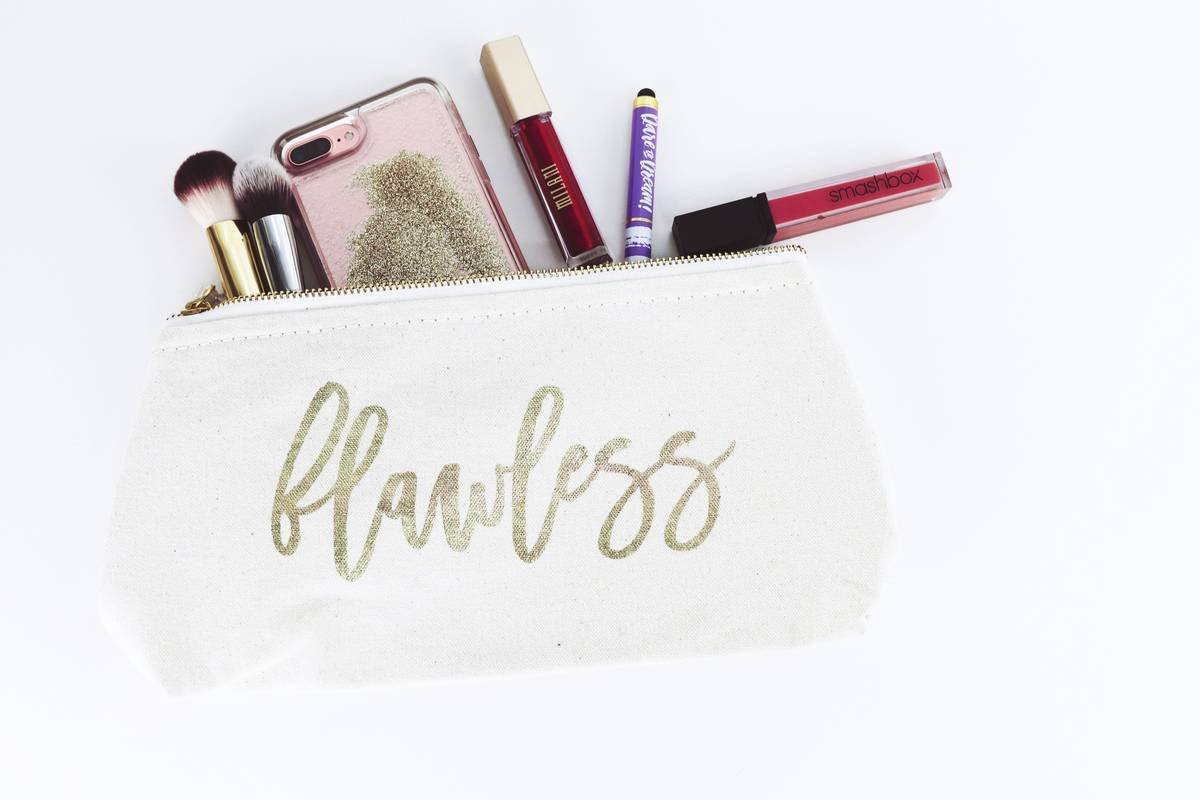
And yes—most drugstore “premium” cases skip waterproof seams. That’s why your concealer exploded during your last flight. Look for sealed stitching, not just “water-resistant” claims.
Frequently Asked Questions
What’s the best material for a makeup bag case?
Water-resistant polyester with a smooth, wipeable interior lining offers the best balance of durability, weight, and hygiene. Avoid uncoated canvas—it soaks up spills.
How often should I clean my makeup bag case?
Every two weeks. Bacteria builds fast from open cream pots and damp sponges. Wipe interiors with a 70% isopropyl alcohol spray—never soak.
Can I use a regular pouch as a makeup bag case?
Technically yes—but without structured support or leak protection, your products shift, break, or leak. Purpose-built cases prevent $100+ in accidental damage yearly.