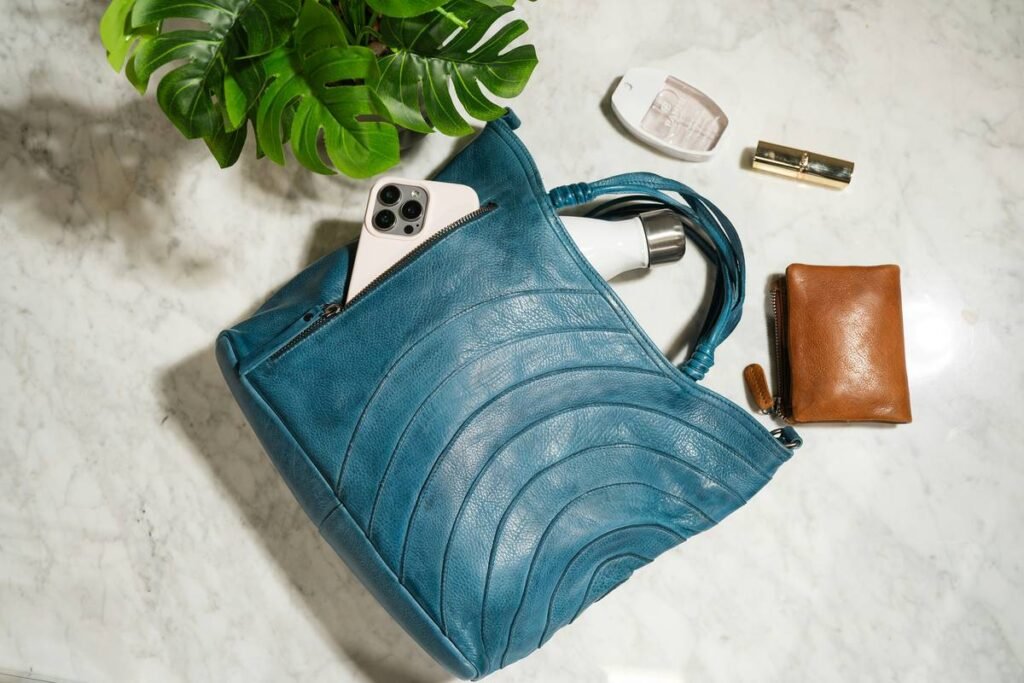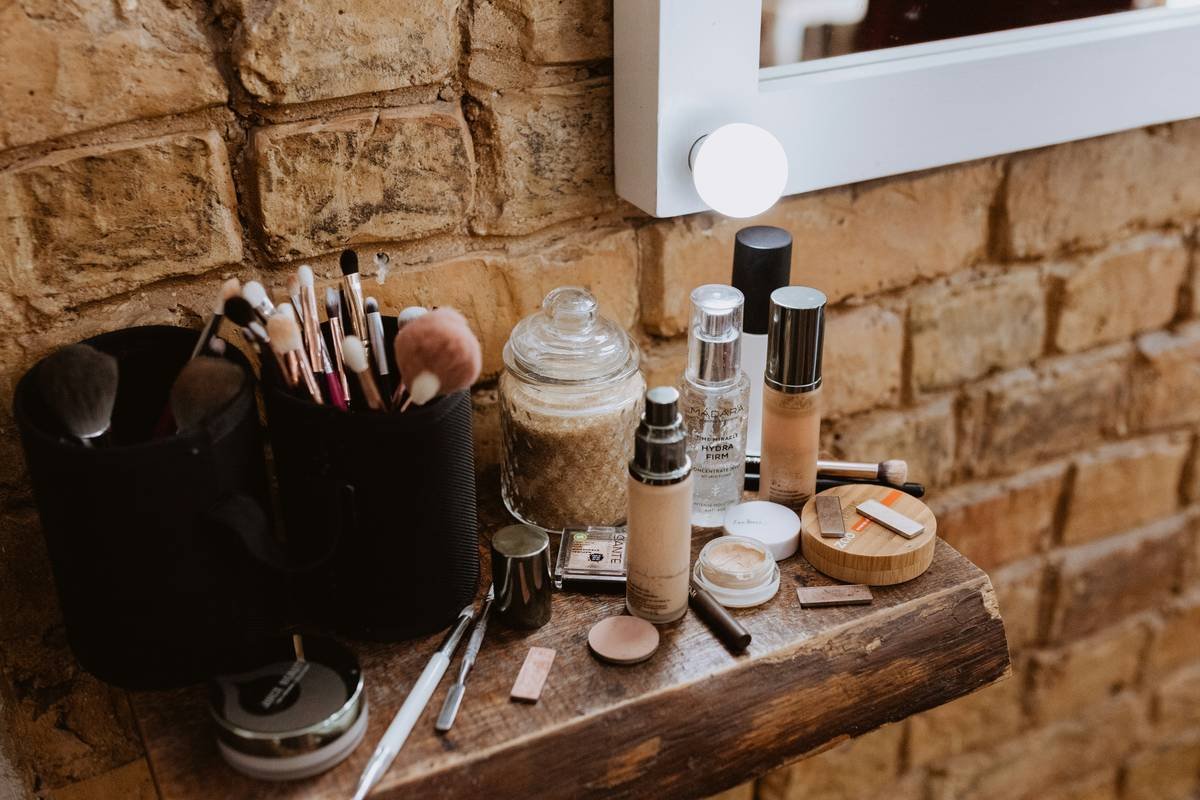
You buy luxury brushes. You splurge on pigment-rich palettes. But your makeup essentials case? An afterthought—a flimsy pouch buried under gym socks and expired loyalty cards. Chaos reigns. Eyeshadow crumbles. Foundations leak. And you waste minutes every morning playing archaeologist in a cluttered abyss. Here’s the fix: stop treating your case like storage. Start treating it like strategy.
The Core Problem: Most Makeup Bags Are Designed for Display, Not Function
Fashion brands sell “cute” makeup bags that photograph well but fail in real life. Zippers snag. Interiors lack compartments. Materials stain or warp. They’re built for influencers—not for women who actually use concealer at 6 a.m. before school drop-off.
And here’s the kicker: a poorly organized case doesn’t just slow you down—it degrades product performance. Heat, friction, and moisture build-up inside unventilated nylon? That’s how your $42 cream blush turns into sludge by month two.
How to Choose and Organize a High-Performance Makeup Essentials Case
Forget “big enough to hold everything.” Smart organization beats brute capacity every time. Build your system around frequency of use, product type, and travel needs.
Prioritize Compartmentalization Over Capacity
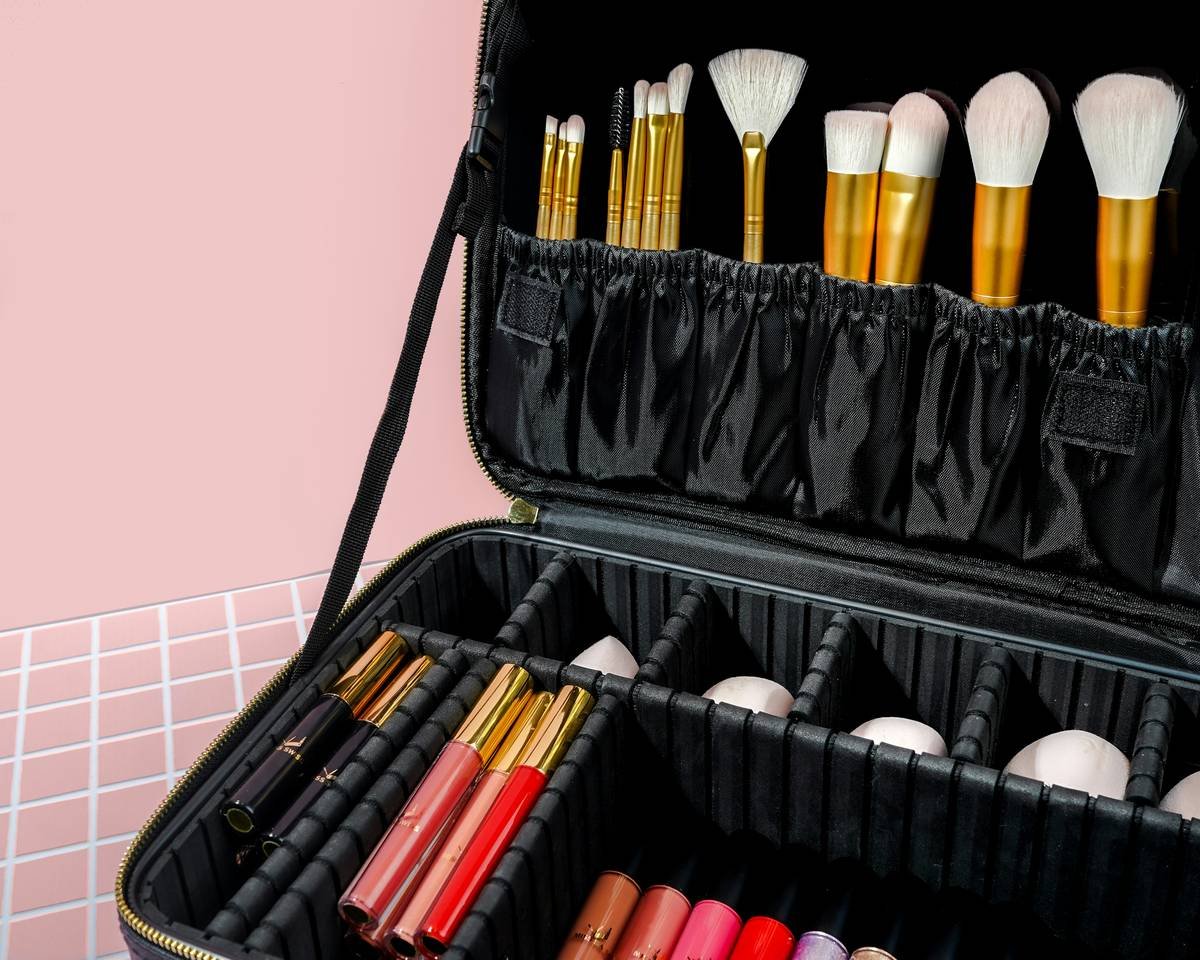
A case with three smart pockets outperforms a cavernous sack any day. Keep daily drivers (mascara, lip tint, concealer) in quick-access top slots. Stash backups and specialty items (glitter liners, contour sticks) in zippered side compartments.
Material Matters More Than You Think
Waterproof vegan leather wipes clean. Microfiber interiors prevent scratches on glass compacts. Avoid cheap polyester—it traps odor and shows every spill. Yes, it costs more upfront. But calculate cost-per-use over two years. The math is simple: durability pays.
Size Should Match Your Lifestyle—Not Your Entire Collection
Carry only what you actually use in a week. If you haven’t touched that neon green eyeliner since last Halloween? It doesn’t belong in your daily makeup essentials case. Rotate seasonal items in and out monthly.
| Case Type | Best For | Average Lifespan | Real-World Drawback |
|---|---|---|---|
| Flat Pouch (Zippered) | Minimalists, touch-ups | 6–12 months | No structure—products shift and break |
| Hard-Shell Clamshell | Travel, fragile items | 2+ years | Bulky; hard to fit in small handbags |
| Modular Roll-Up | Brush-focused routines | 18–24 months | Poor for liquids—risk of leaks |
| Layered Organizer (with trays) | Daily full-face users | 3+ years | Higher initial cost—but worth it |
The Industry Secret: Pros Use Two Cases—Not One
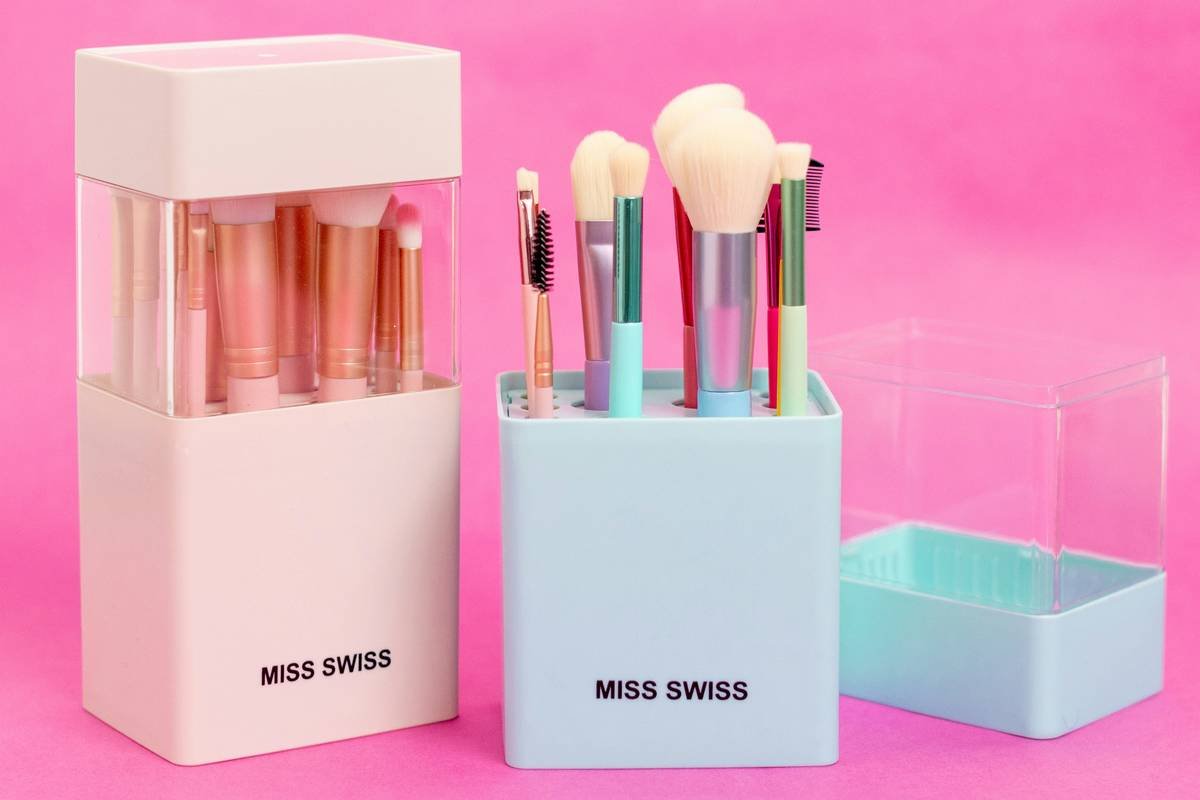
Here’s what nobody tells you: professional MUAs never rely on a single bag. They keep a “daily driver” makeup essentials case for routine products—and a separate “deep kit” for photo shoots or events. Why? Cross-contamination. Daily wear exposes your tools to skin oils, humidity, and bacteria. Keeping your pro-grade shadows separate from your everyday mascara extends both product life and hygiene.
But you don’t need a glam squad budget. Buy one premium case for daily use. Store the rest in a ventilated drawer organizer at home. Rotate weekly. Your skin—and your wallet—will thank you.
Frequently Asked Questions
What should I keep in my daily makeup essentials case?
Only what you use within 7 days: foundation, concealer, powder, one eyeshadow palette, mascara, brow pencil, lip color, and 2–3 brushes. If it sits unused, remove it.
How often should I clean my makeup case?
Wipe interior weekly with alcohol-free disinfectant. Deep-clean monthly—especially if you carry liquid products. Stains or odors mean it’s time to replace the lining or the whole case.
Are clear makeup bags hygienic?
Surprisingly, no. Clear PVC traps heat and UV light, accelerating product breakdown. Plus, scratches harbor bacteria. Opt for opaque, wipeable materials instead.