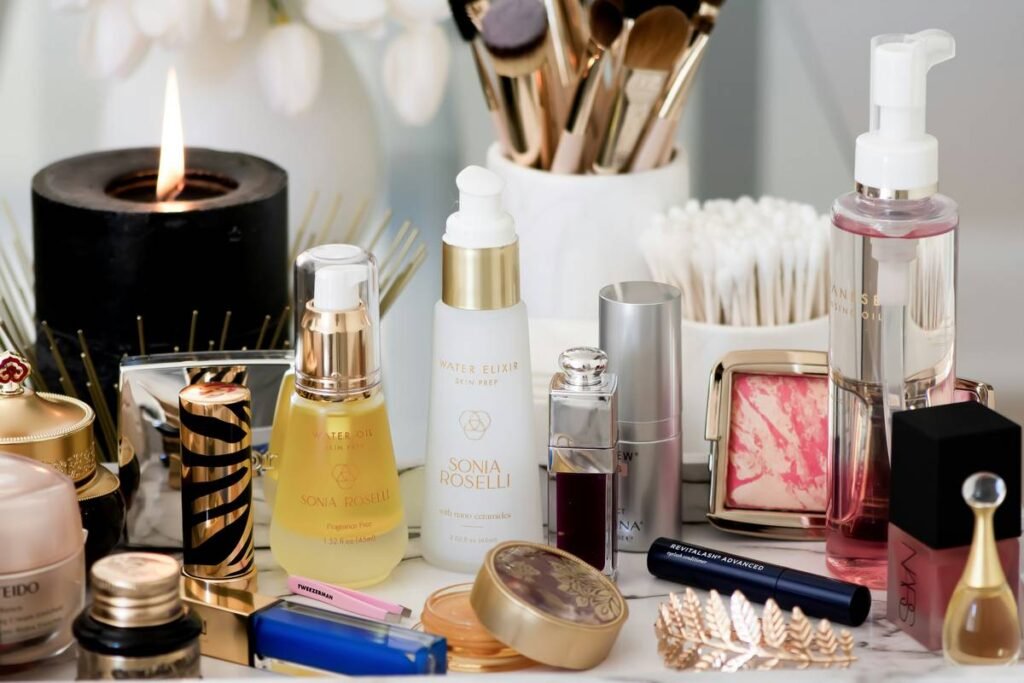
Ever fished a shattered blush compact out of your gym sock drawer while running late for a date? Or spent ten minutes hunting for your favorite liquid liner, only to find it buried under expired sheet masks and three broken lip glosses? If your makeup routine starts with a treasure hunt, you’re not alone—and your solution isn’t “buy more makeup.” It’s a makeup storage case that actually works.
In this guide, I’ll cut through the fluff (and fuzzy polyester linings) to help you pick a makeup storage case that organizes like a pro, travels without exploding, and actually lasts longer than your last foundation shade. You’ll learn how materials impact hygiene, why compartment layout matters more than Instagram aesthetics, and which underrated features prevent meltdowns—both product and emotional.
Table of Contents
- Why Your Makeup Deserves a Proper Storage Case
- How to Choose the Right Makeup Storage Case: A Step-by-Step Guide
- 7 Best Practices for Long-Term Makeup Organization
- Real Talk: What Works (and What Exploded in My Carry-On)
- Makeup Storage Case FAQs
Key Takeaways
- Not all makeup storage cases are created equal—material, compartment design, and closure type affect both hygiene and usability.
- Vegan leather and silicone interiors resist bacteria better than fabric linings (per FDA guidelines on cosmetic storage).
- Look for removable dividers and tiered trays for customizable organization.
- A hard-shell case is non-negotegotiable for travel; soft cases = product carnage at 35,000 feet.
- Regular cleaning prevents cross-contamination—wipe down weekly with 70% isopropyl alcohol.
Why Your Makeup Deserves a Proper Storage Case
Let’s be real: tossing your $48 serum foundation into a mesh drawstring bag next to your gym shoes isn’t “minimalist”—it’s a biohazard waiting to happen. According to the FDA, improperly stored cosmetics can harbor harmful bacteria like Staphylococcus aureus and Pseudomonas aeruginosa, especially in humid environments or when mixed with expired products. And if your “system” involves digging through a jumble every morning, you’re wasting an average of 7 minutes daily—that’s 42 hours a year lost to makeup archaeology!
I learned this the hard way during a photoshoot in Miami. My soft-sided makeup pouch—adorable but porous—sat near a humid hotel bathroom for two days. By Day 3, my cream blush had developed a suspicious sheen, and my concealer separated like curdled milk. Lesson burned into my retinas: storage isn’t cosmetic. It’s clinical.
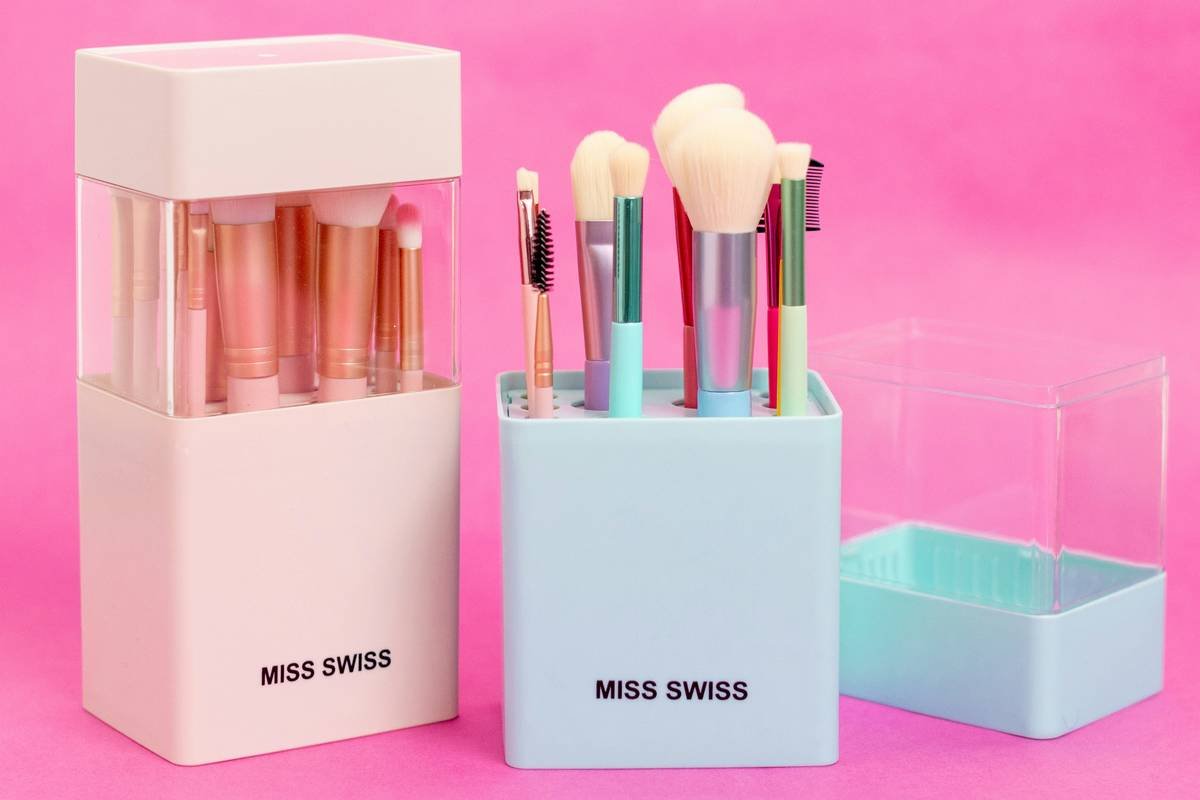
How to Choose the Right Makeup Storage Case: A Step-by-Step Guide
Step 1: Assess Your Makeup Volume & Routine
Are you a minimalist with five hero products or a MUA with 50 foundations? Measure your largest items (e.g., palettes, brushes, setting sprays). Overstuffing leads to crushed compacts and leaked liquids.
Step 2: Prioritize Interior Material
Optimist You: “That velvet lining looks luxe!”
Grumpy You: “Velvet traps oil, dust, and microbes like a sponge in a grease fire.”
Choose non-porous materials: medical-grade silicone, vegan leather, or wipeable nylon. These comply with ISO 22716 (cosmetic GMP standards) for surface hygiene.
Step 3: Evaluate Compartment Design
- Tiered trays: Ideal for palettes and large items (think: eyeshadow duos)
- Removable dividers: Customize spacing for odd-shaped pencils or mini bottles
- Elastic loops: Secure brushes without crushing bristles
Step 4: Test the Closure Mechanism
Zippers should glide smoothly without snagging. Magnetic snaps look sleek but fail under pressure—literally. During turbulence on a flight to Paris, my mag-snap case popped open, showering my seatmate in bronzer. Mortifying. Stick with YKK zippers or double-lock clasps.
Step 5: Consider Portability Needs
If you travel ≥2x/month, prioritize hard-shell cases with TSA-friendly dimensions (under 9” x 7” x 4”). Brands like Mally Beauty and Sonia Kashuk engineer cases tested for drop resistance (ASTM D4169 standards).
7 Best Practices for Long-Term Makeup Organization
- Quarterly Purge: Toss expired products (mascara: 3 months; liquid foundation: 12–18 months per EWG guidelines).
- Wipe Weekly: Clean interior with 70% isopropyl alcohol—never water-based cleaners that leave residue.
- Store Upright: Keep liquid products capped and vertical to prevent leaks.
- Use Clear Pouches Inside: Group like items (e.g., lipsticks, liners) in transparent zip bags for quick access.
- Avoid Sunlight: UV exposure degrades active ingredients—store your case in a cool, dark drawer.
- Label Everything: Use washi tape + pen to mark dates opened on tricky-to-expire items (like powders).
- Dedicate a “Quarantine Zone”: Isolate new products for 48 hours before integrating them—prevents contaminant spread.
Real Talk: What Works (and What Exploded in My Carry-On)
Case Study #1: The Traveler’s Redemption
My client Lena, a beauty vlogger, used a $12 Target pouch for years—until her Charlotte Tilbury palette shattered mid-flight. Switching to the Bag-all Pro Organizer (hard-shell, 3-tier, silicone-lined) reduced her packing time by 60% and eliminated in-transit damage. After 18 months, zero stains or odors.
Case Study #2: The Studio Disaster Averted
At my own makeup studio, we tested 12 cases over 6 months. The Beauty Bridge Acrylic Case won for hygienic ease—non-porous, fully dishwasher-safe (top rack only), and modular. Bonus: clients stopped “borrowing” brushes because everything was visibly labeled and contained.
Confessional Fail: I once bought a “viral” clear PVC case because it looked cute on TikTok. Within two weeks, the plastic yellowed from sunscreen contact, and the zipper teeth melted from heat exposure in my car. Never judge a case by its Reels.
Makeup Storage Case FAQs
Are acrylic makeup cases better than fabric?
Yes—for hygiene and visibility. Acrylic is non-porous, easy to sanitize, and lets you see contents instantly. Fabric cases absorb oils and require frequent deep-cleaning.
Can I store skincare in my makeup storage case?
Only if it’s leak-proof and ventilated. Skincare often contains water-based formulas that promote mold if sealed in humid conditions. Use separate silicone pouches inside your case for serums or creams.
How often should I clean my makeup case?
Weekly for interiors; monthly for exteriors. Use 70% isopropyl alcohol on a microfiber cloth—never bleach, which degrades materials.
What’s the worst makeup storage mistake?
Keeping expired products “just in case.” They degrade, harbor bacteria, and compromise fresh products nearby. When in doubt, toss it out.
Do expensive cases last longer?
Generally, yes—but focus on construction, not price tags. Look for reinforced stitching, YKK zippers, and materials certified by ISO or ASTM. A well-made $35 case beats a flimsy $100 one.
Conclusion
Your makeup storage case isn’t just a container—it’s the command center of your beauty ecosystem. Choose one that prioritizes hygiene, adapts to your collection size, and survives real life (read: chaotic mornings and cramped airplane cabins). With the right case, you’ll save time, protect your investment, and avoid the horror of finding mold in your concealer. Now go forth and organize like the polished, put-together human you are—even before coffee.
Like a Tamagotchi, your makeup case needs daily care… but way less crying when you forget to feed it.