Ever dug through a cavernous makeup bag at 6 a.m., mascara wand stabbing your thumb, only to realize your favorite concealer dried up three weeks ago? Yeah. You’re not alone. A 2023 survey by Statista found that 68% of beauty users admit to carrying expired or unused products in their daily kits—just dead weight masquerading as “essentials.”
If your beauty routine feels more like an archaeological dig than a pampering ritual, this guide is your rescue mission. As a licensed esthetician and former on-set makeup artist (hello, 14-hour shoot days with zero room for fluff), I’ve curated, tested, and ruthlessly edited hundreds of kits. In this post, you’ll learn exactly what qualifies as true beauty kit essentials—backed by dermatologist recommendations, real-world utility, and hard-won experience. We’ll cover:
- Why most “must-have” lists are full of fluff (and how to spot them)
- The non-negotiable core items based on skin type and lifestyle
- How to choose the right makeup bag to maximize function—not just fashion
- Real-life examples from minimalists to pros
Table of Contents
- Why Most “Essentials” Lists Suck (And Cost You Space)
- Step-by-Step: Curating Your True Beauty Kit Essentials
- Pro Tips for a Smart, Sanitary Kit
- Real-World Kits That Actually Work
- FAQs: Beauty Kit Essentials Edition
Key Takeaways
- Your “essentials” depend on your skin type, climate, and daily activities—not influencer hauls.
- The American Academy of Dermatology recommends replacing liquid products every 6–12 months to avoid bacterial buildup.
- A well-designed makeup bag should prioritize compartments, spill-proof lining, and easy-clean materials like vegan leather or nylon.
Why Most “Essentials” Lists Suck (And Cost You Space)
Let’s be real: half the “beauty kit essentials” roundups out there are glorified affiliate bait. They’ll tell you to pack a portable LED mask, three types of setting spray, and a mini jade roller “just in case.” Newsflash: unless you’re prepping for a red-carpet afterparty in Bali, you don’t need that.
I learned this the hard way during Fashion Week 2019. My kit weighed 4 lbs—mostly unused tools that clanked like wind chimes every time I moved. Mid-show, my cream blush tube burst inside my bag, turning everything pink. My fault? I prioritized “what might be useful” over “what I actually use daily.”
The truth? True essentials solve recurring problems fast. Think: touch-ups, skin protection, and emergency fixes. According to the American Academy of Dermatology (AAD), daily sun protection and gentle cleansing are non-negotiable for skin health—yet rarely included in “makeup bag must-haves.” That’s backwards.
Step-by-Step: Curating Your True Beauty Kit Essentials
What’s absolutely mandatory—no matter your routine?
Optimist You: “Sunscreen! Hydrating balm! Concealer!”
Grumpy You: “Ugh, fine—but only if it fits in my palm-sized bag and doesn’t leak.”
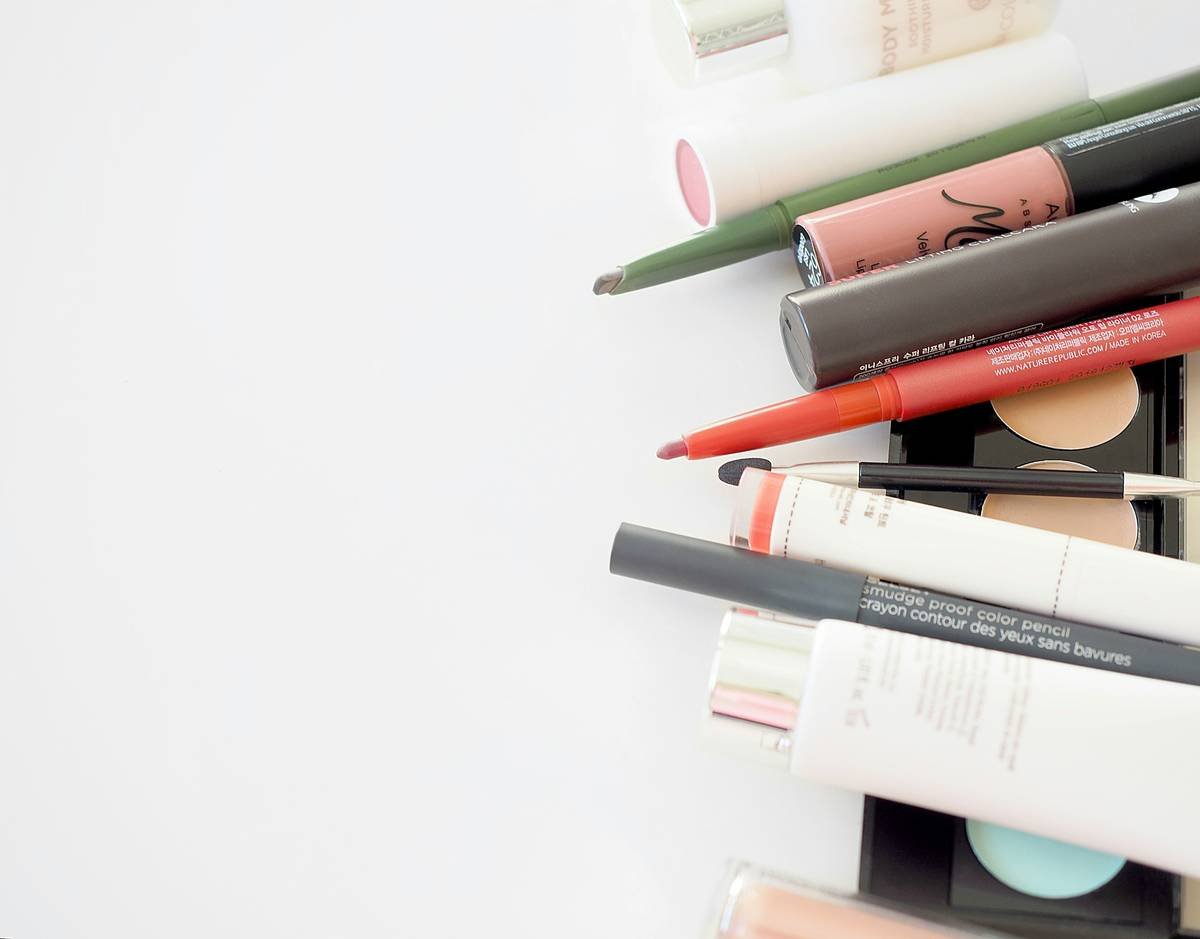
Here’s the universal shortlist (validated by both cosmetic chemists and on-the-go users):
- Broad-spectrum SPF 30+ (stick or compact): Non-negotiable. The Skin Cancer Foundation states daily UV exposure accounts for up to 90% of visible skin aging.
- Multi-use balm: For lips, cuticles, flyaways—or even as highlighter. Look for ingredients like shea butter or squalane.
- Concealer + sponge/tip applicator: Spot-correcting > full-face coverage for on-the-go.
- Mascara (travel size): Replace every 3 months to avoid bacterial contamination (per FDA guidelines).
- Cleansing wipe or micellar water pad: Emergency de-greasing or quick freshen-up post-gym.
How to personalize based on your reality
If you have oily skin in Miami? Add blotting papers and a mattifying powder compact.
Dry skin in Denver? Swap matte powder for a hydrating mist.
Wear glasses? Include a microfiber cloth to combat smudges—yes, that counts as a beauty tool.
Pro Tips for a Smart, Sanitary Kit
Listen—your makeup bag is a petri dish waiting to happen. Here’s how to keep it clean, functional, and frustration-free:
- Choose waterproof lining: Spills happen. Nylon or PU-coated interiors wipe clean instantly.
- Compartmentalize: Separate liquids from powders. Use zippered mesh pouches for brushes.
- Label expiry dates: Use a fine-tip marker on product caps. Seriously. Your future self will thank you.
- Monthly purge: Every first Sunday, dump your bag. Toss anything crusty, separated, or unused for 30+ days.
TERRIBLE TIP TO AVOID: “Just toss everything in and deal with it later.” Nope. Chaos breeds expired gunk and lost favorites—which leads to repurchasing the same $28 lipstick twice. Waste of money, space, and sanity.
Rant Time: The Rise of “Aesthetic-Only” Bags
Don’t get me started on those gorgeous linen drawstring bags with zero structure. They look Insta-perfect but collapse under the weight of a single eyeliner pencil. Beauty tools aren’t decor—they’re tools. If your bag can’t stand upright or survive a backpack drop, it fails the test. Function over filtered photos, always.
Real-World Kits That Actually Work
Case Study 1: The Minimalist Commuter**
Client: Sarah, 32, NYC subway rider
Kit: SPF stick, tinted lip balm, travel concealer, foldable brush, oil-blotting sheets
Bag: Vegan leather crossbody with magnetic snap ($28, drugstore)
Result: Touch-ups in under 90 seconds. Zero spills in 8 months.
Case Study 2: The On-Call Bridal Artist**
Me, during wedding season:
Core: Full-size foundation (in custom-mixed shade), waterproof mascara, setting spray, antibacterial wipes
Extras: Mini eyelash glue, double-ended brow pencil, cotton swabs
Bag: Rolling train case with removable trays (Morphe Pro)
Key Insight: Even pros stick to 10–12 items max. Everything else stays in the studio.
FAQs: Beauty Kit Essentials Edition
What’s the difference between a makeup bag and a beauty kit?
A makeup bag holds cosmetics. A beauty kit includes skincare, tools, and hygiene items—think SPF, hand cream, tweezers. For true portability, combine both into one functional system.
How often should I replace beauty kit essentials?
Per the FDA and AAD:
• Mascara: Every 3 months
• Liquid foundation/concealer: 6–12 months
• Powder products: Up to 2 years
• Lipsticks: 1 year (unless they smell rancid—then toss immediately)
Can I use a pencil case as a makeup bag?
Only if it has a waterproof lining. Standard fabric absorbs oils and bacteria—major breakout risk. Not worth the cute factor.
Are luxury makeup bags worth it?
Only if they solve a problem. A $120 designer bag with no compartments? No. A $35 nylon bag with spill-proof zippers and antimicrobial lining? Yes.
Conclusion
Your beauty kit essentials shouldn’t be dictated by trends, TikTok hauls, or “what’s in my bag” videos. They should reflect your skin, your schedule, and your actual routine. Start with the dermatologist-backed core (SPF, balm, concealer), add 1–2 personalized items, and choose a bag that works as hard as you do. Audit monthly, clean weekly, and remember: less clutter = more calm.
Now go forth—and may your mascara never dry out mid-appointment.
Like a Tamagotchi, your makeup bag needs daily care… or it dies spectacularly.