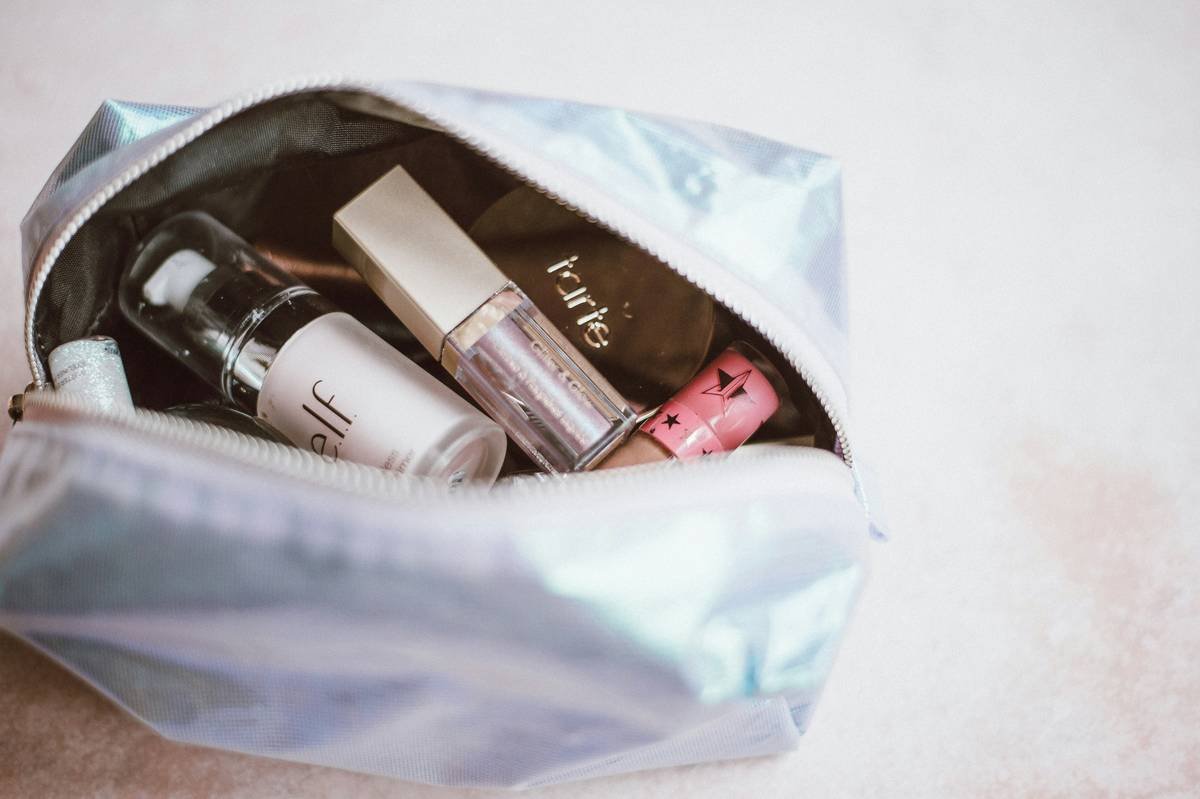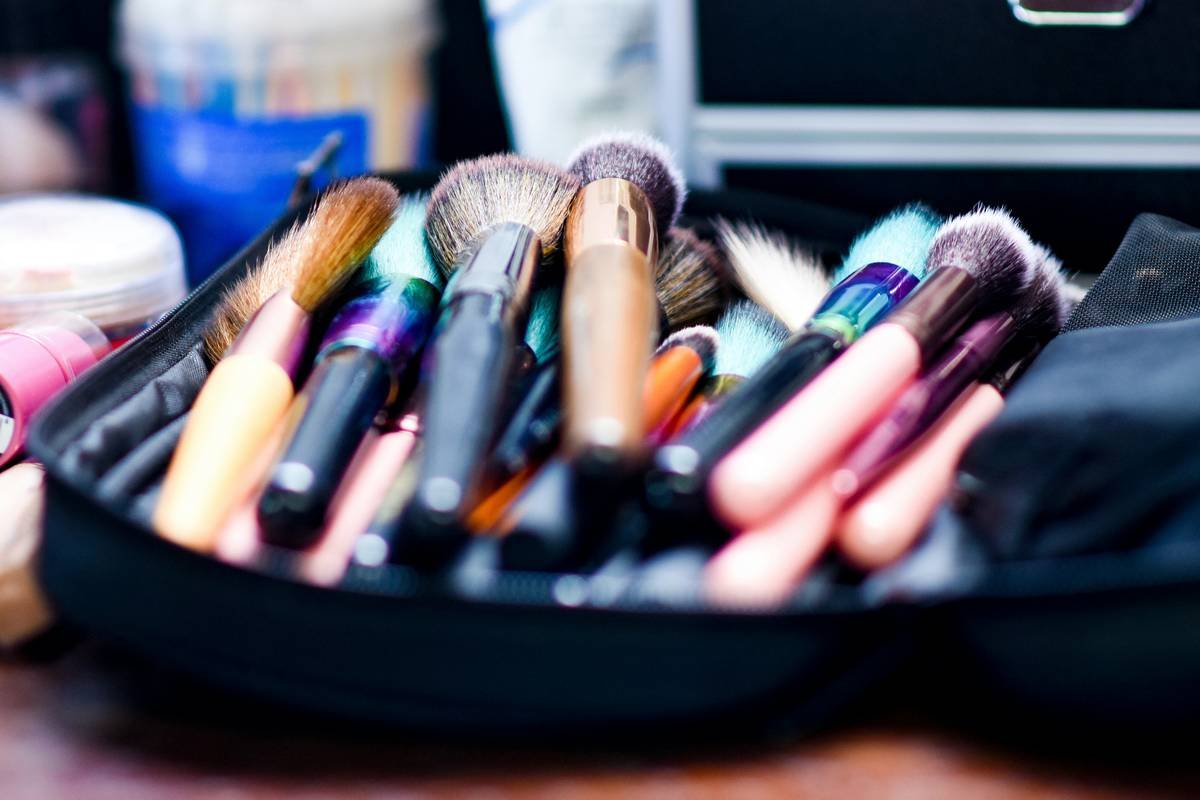
You spent $40 on that limited-edition foundation. You keep it in a flimsy zip pouch from three trips ago. Spills happen. Brushes fray. Eyeshadow pans crack. And you blame your technique—not your gear.
Here’s the truth: a bad makeup storage pouch doesn’t just clutter your bag—it degrades product performance, wastes money, and kills workflow speed. The fix? Not another “cute” bag. A system.
The Core Problem: Cute ≠ Functional
Most makeup bags prioritize aesthetics over engineering. Zipper teeth snag bristles. Thin linings absorb spilled serum like a sponge. Flat bottoms collapse under weight—toss one in your tote, and suddenly your concealer leaks onto your laptop sleeve.
Beauty pros don’t use “bags.” They use containment units. Yet consumers keep buying decorative shells with zero internal logic. Result? Half your kit’s lifespan evaporates before you even hit pan.
How to Build a Bulletproof Makeup Storage Pouch System
Forget one-size-fits-all. Your pouch must match your usage rhythm—traveler, daily commuter, or vanity artist. Start by auditing your real behavior, not Pinterest fantasies.
Step 1: Map Your Product Categories
Group items by spill risk (liquids), fragility (pressed powders), and frequency (daily lipstick vs. occasional glitter). Never mix volatile textures blindly.
Step 2: Match Compartment Logic to Behavior
If you touch up at lunch, you need a quick-access pocket for blotting papers and lip tint—not buried under eyelash curlers. Traveling? Waterproof lining isn’t optional. It’s physics.
Step 3: Material Matters More Than Color
PVC-coated nylon repels stains better than vegan leather. YKK zippers outlast bargain-bin pulls by 3x. These aren’t luxury upgrades—they’re hygiene fundamentals.
| Pouch Type | Best For | Spill Resistance | Avg. Lifespan | Price Range |
|---|---|---|---|---|
| Flat Fold-Over | Minimalists (5 products or fewer) | Low | 3–6 months | $8–$15 |
| Structured Box Pouch | Daily commuters (full-face routine) | High (waterproof lining) | 18+ months | $22–$38 |
| Modular Roll-Up | Travelers & MUAs | Medium (exposed closures) | 12–15 months | $18–$30 |
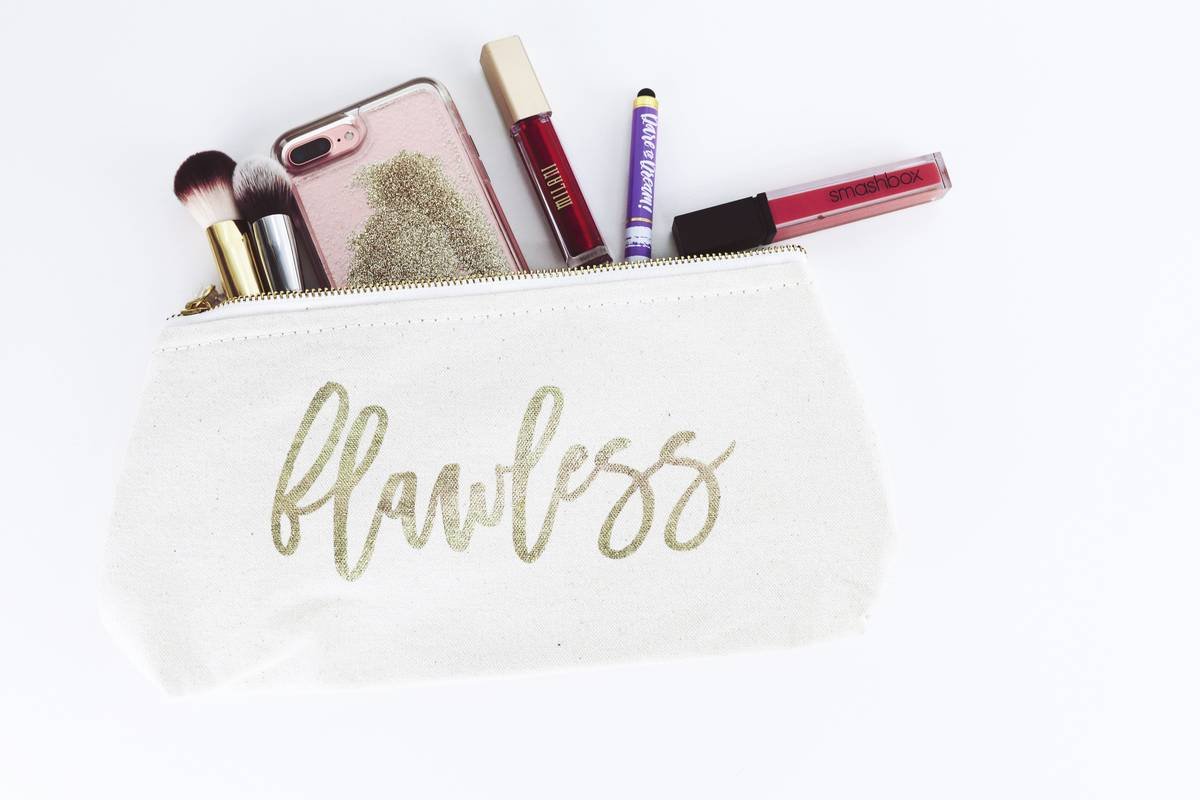
The Industry Secret: Pros Rotate Their Pouches Like Skincare
Top makeup artists maintain three distinct pouches—and swap them weekly. Why?
Residue builds invisibly. Even “clean” brushes deposit microscopic oil films inside linings. Over time, this breeds bacteria that compromise product integrity. The math is simple: if your pouch smells faintly sour or feels tacky inside, it’s already contaminating your $65 cream blush.
Here’s the reality: your pouch isn’t passive storage. It’s an active part of your beauty ecosystem. Treat it like your skin—rotate, deep-clean, replace before visible failure.
Frequently Asked Questions
What material is best for a makeup storage pouch?
Waterproof-coated nylon or polyester with sealed seams. Avoid fabric blends—they trap moisture and stain permanently.
How often should I replace my makeup storage pouch?
Every 12–18 months, or immediately if linings feel sticky, smell off, or show discoloration—even after washing.
Can a pouch really affect product performance?
Absolutely. Porous materials leach oils into powders; cramped spaces cause breakage. Poor ventilation accelerates bacterial growth in creams.