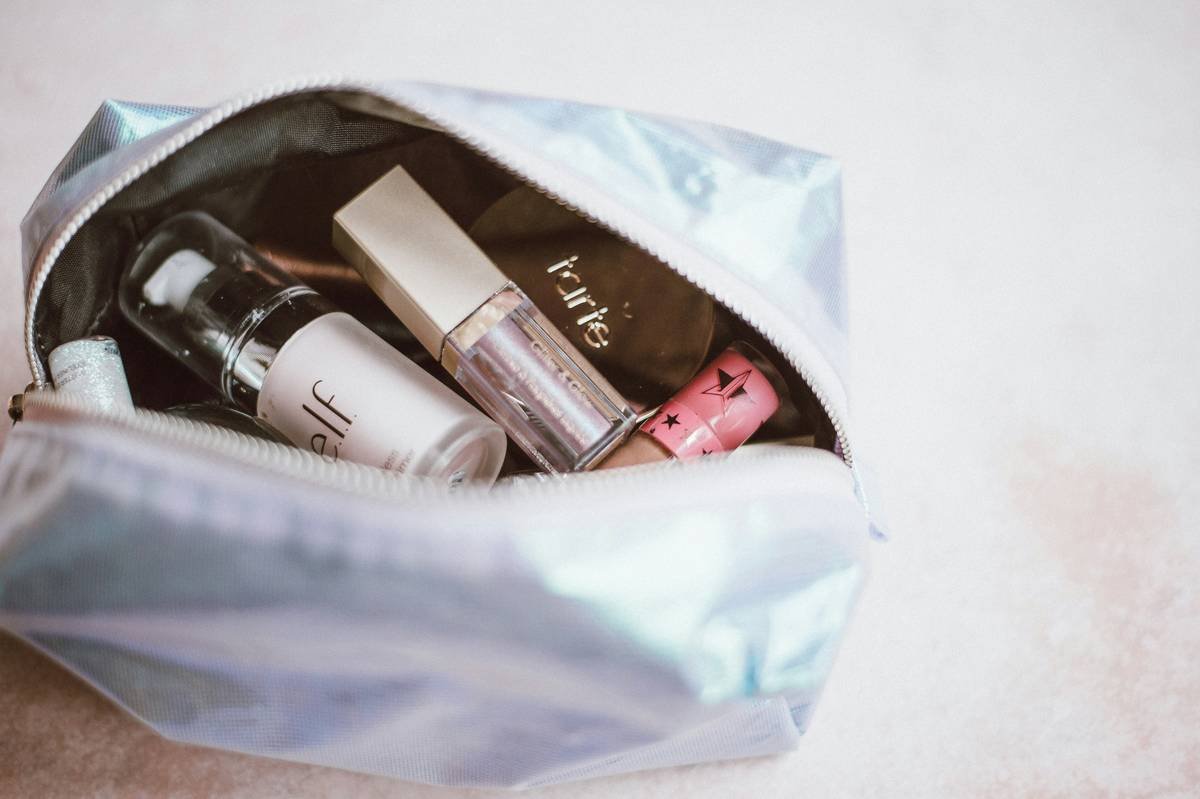
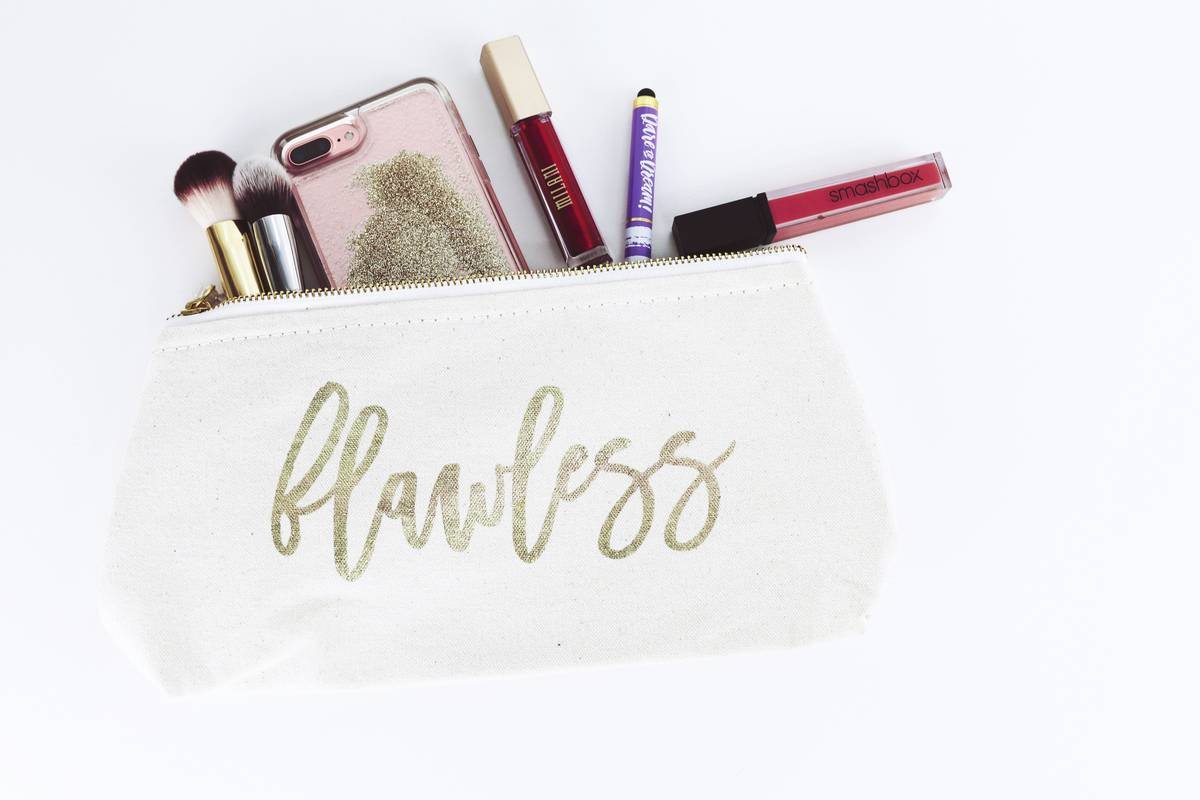
You spent $45 on that “luxury” beauty cosmetic pouch—yet your foundation leaks, your brushes fray, and your concealer rolls into oblivion every time you open it. Sound familiar? Most makeup bags look chic but function like storage black holes. The truth? A great beauty cosmetic pouch isn’t about brand logos—it’s about intelligent design that protects your investment and streamlines your routine.
The Core Problem: Style Over Substance
Designers prioritize Instagrammable exteriors while ignoring what actually matters: compartmentalization, material resilience, and spill containment. And most “waterproof” linings? They’re just thin polyester coated in a chemical veneer that cracks after three months.
Think about it. If your beauty cosmetic pouch can’t survive a spilled toner or a snapped eyeliner cap, it’s not a tool—it’s a liability.
How to Choose—and Use—a Makeup Bag That Actually Works
Step 1: Ditch the One-Compartment Trap
A single cavernous interior is chaos waiting to happen. Look for segmented zones: one for liquids, one for powders, one for tools. Bonus points if there’s a zippered mesh pocket for minis or samples.
Step 2: Material Matters More Than You Think
Vegan leather peels. Cheap nylon pills. Go for TPU-lined polyester or ripstop nylon with welded seams—not stitched ones. Stitched seams = leak vectors.
Step 3: Size With Intention
Oversized bags encourage hoarding expired mascaras. Undersized ones force compromise. The sweet spot? 9 x 6 x 4 inches—fits full-size foundation, brushes, and skincare without bulging.
| Feature | Budget ($5–$15) | Mid-Tier ($16–$35) | Premium ($36+) |
|---|---|---|---|
| Water Resistance | Spray-coated (fails fast) | Laminated lining (moderate protection) | Fully sealed TPU or silicone interior |
| Compartments | None or basic divider | 2–3 pockets + main cavity | Modular inserts, removable trays |
| Durability (Avg. Lifespan) | 2–4 months | 8–14 months | 2+ years |
The Industry Secret: Pros Don’t Carry Full-Size Products
Here’s what makeup artists won’t tell you: they decant. That $68 serum? Transferred into a 5ml amber vial. Full-size brushes? Left at home. Travel kits use miniaturized, purpose-built versions—because bulk breeds breakage.
And the real game-changer? Magnetic bases. Some high-end beauty cosmetic pouches now embed rare-earth magnets in the base so metal compacts or palettes snap securely in place—no sliding, no rattling, no shattered highlighter.
Frequently Asked Questions
What’s the best material for a beauty cosmetic pouch?
TPU-lined ripstop nylon with welded seams offers superior spill resistance and longevity. Avoid faux leather—it cracks and stains easily.
Can I machine-wash my makeup bag?
Only if the care label explicitly allows it. Most should be wiped down with a damp microfiber cloth and mild soap. Submerging can ruin waterproof coatings.
How often should I replace my beauty cosmetic pouch?
Replace it when linings peel, zippers snag consistently, or odors linger after cleaning. For daily users, that’s typically every 10–18 months.