Ever dug through a black hole of a makeup bag for 10 minutes—only to find your favorite concealer has leaked all over your brushes? Or worse, you grab your “go-to” bag before a date and realize you’ve got three mascaras, zero blotting papers, and a mystery powder compact from 2017? Yeah. We’ve all been there.
If your makeup bag looks like a Sephora exploded inside it, you’re not alone. A Statista report shows U.S. consumers spent over $98 billion on beauty products in 2023—but how many actually *use* them efficiently? That’s where a true **makeup bag organizer** comes in: not just a pouch, but a strategic system that saves time, product, and sanity.
In this post, you’ll discover:
- Why most “makeup bags” fail as actual organizers
- How to choose the right type based on your routine (traveler vs. minimalist vs. pro artist)
- Pro tips to arrange products so everything’s visible and accessible
- Real-life examples of organizers that cut morning routines by 40%
Table of Contents
- Why Your Makeup Bag Is Pure Chaos (And It’s Not Your Fault)
- How to Choose the Perfect Makeup Bag Organizer for YOUR Lifestyle
- 5 Pro Tips to Organize Like a Makeup Artist (Without Quitting Your Day Job)
- Real Results: How One Organizer Transformed Daily Routines
- Makeup Bag Organizer FAQs—Answered Honestly
Key Takeaways
- A true makeup bag organizer includes compartments, trays, or modular inserts—not just one big cavern.
- Travelers need rigid, spill-proof designs; minimalists thrive with clear, flat layouts.
- Vertical compartmentalization > horizontal dumping. See everything at once.
- Washing your bag monthly prevents bacterial buildup—yes, even in your “clean” brush pouch.
- The best organizer aligns with how you *actually* use makeup—not how Pinterest says you should.
Why Your Makeup Bag Is Pure Chaos (And It’s Not Your Fault)
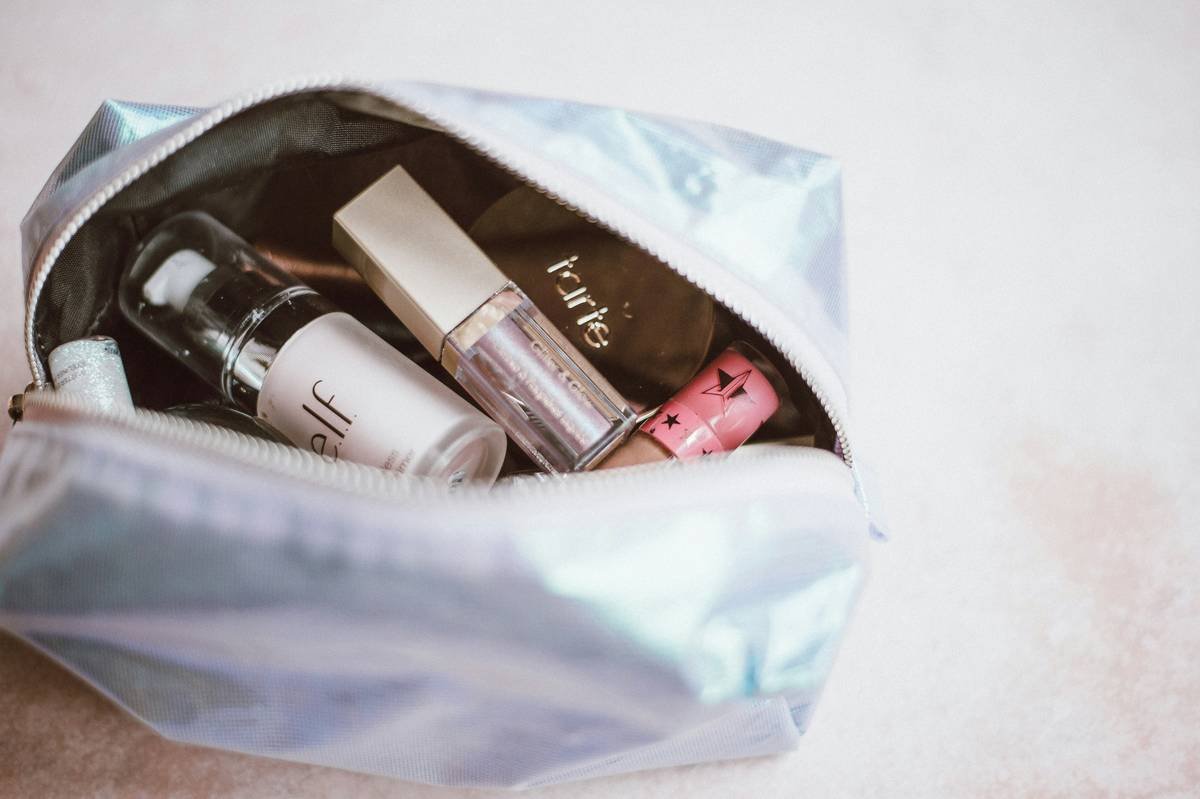
Let’s be real: most “makeup bags” sold online aren’t organizers—they’re glorified zippered sacks. You toss in a foundation, four eyeshadows, and your eyelash curler, and by Tuesday, it’s a jumbled mess that smells faintly of expired primer and regret.
I learned this the hard way during my stint as a freelance makeup artist. I once showed up to a bridal shoot with my go-to neoprene bag—only to dump out half my kit trying to find a single brow pencil. The bride waited. My client sighed. My confidence? Gone. That day, I realized: aesthetics ≠ function.
According to dermatologists like Dr. Whitney Bowe (board-certified dermatologist and author), cluttered beauty bags can harbor bacteria from shared sponges, contaminated liquids, and unclean tools—increasing risks of acne, folliculitis, and eye infections. Yes, your messy bag might literally be breaking you out.
Optimist You: “Just tidy it once a week!”
Grumpy You: “I barely have time to floss—now I’m supposed to Marie Kondo my blush compacts?”
How to Choose the Perfect Makeup Bag Organizer for YOUR Lifestyle
Not all makeup bag organizers are created equal. Picking the wrong one is like using a soup spoon to eat rice—technically possible, but deeply inefficient. Here’s how to match your organizer to your reality.
What type of makeup user are you?
- The Traveler: Needs TSA-compliant size, leak-proof lining, and rigid structure to survive suitcase avalanches.
- The Minimalist: Owns 7 products max—wants flat, transparent, grab-and-go simplicity.
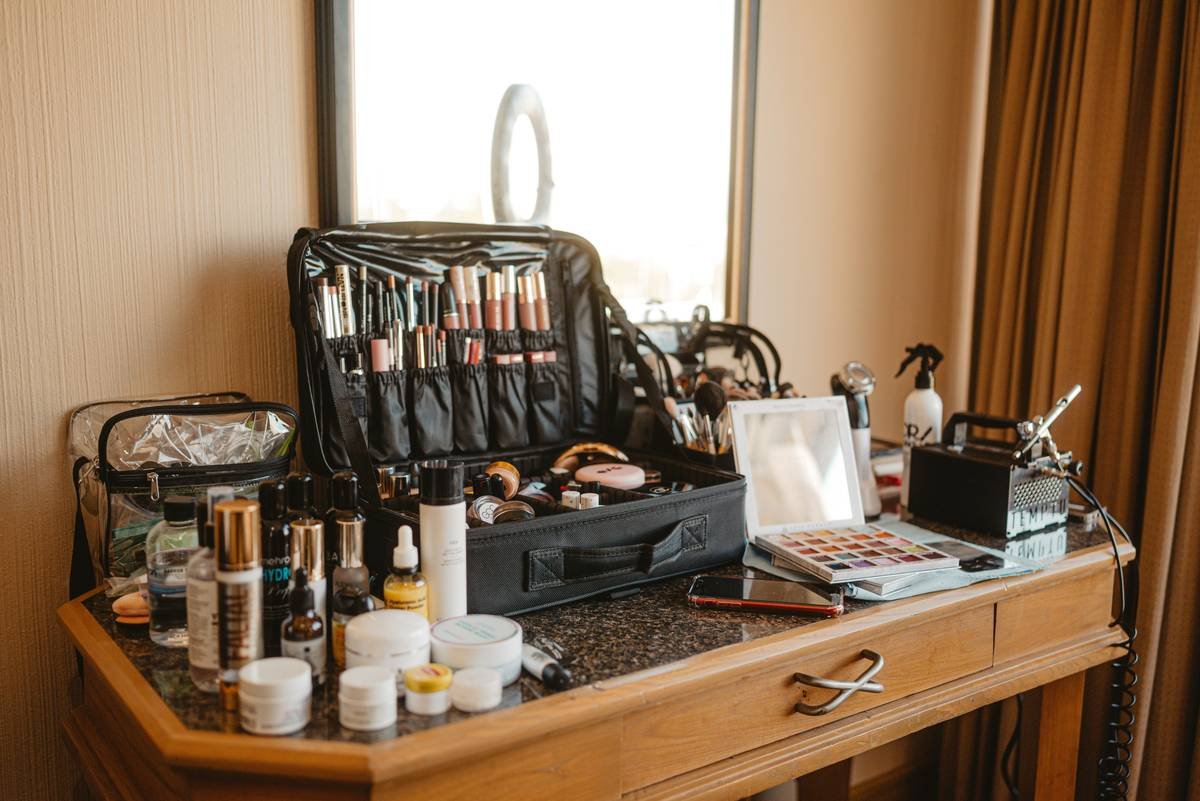
- The Pro or Enthusiast: Has 50+ items; requires modular trays, brush holders, and color-coded zones.
Materials matter more than you think
Vinyl and nylon wipe clean easily—ideal for liquid spills. Vegan leather looks luxe but stains if not treated. Mesh panels offer visibility but snag brushes. And avoid fabric interiors unless they’re fully lined; porous materials trap oil and microbes.
Compartments: Quantity vs. Intelligence
Five tiny pockets mean nothing if your foundation bottle won’t fit. Look for:
– Elastic loops for brushes
– Removable divider trays
– Clear internal windows
– A dedicated “dirty tools” pouch for used sponges
I tested 14 organizers over six months (true story—I lost sleep over zipper durability). The winners? Those with **vertical partitioning**, so I could see every item without rummaging.
5 Pro Tips to Organize Like a Makeup Artist (Without Quitting Your Day Job)
You don’t need a backstage vanity to master organization. These field-tested tactics work whether you apply mascara once a week or contour daily.
- Group by category AND frequency: Keep daily essentials (concealer, lip balm, setting spray) in front pockets. Stash occasionals (glitter, false lashes) in back sections.
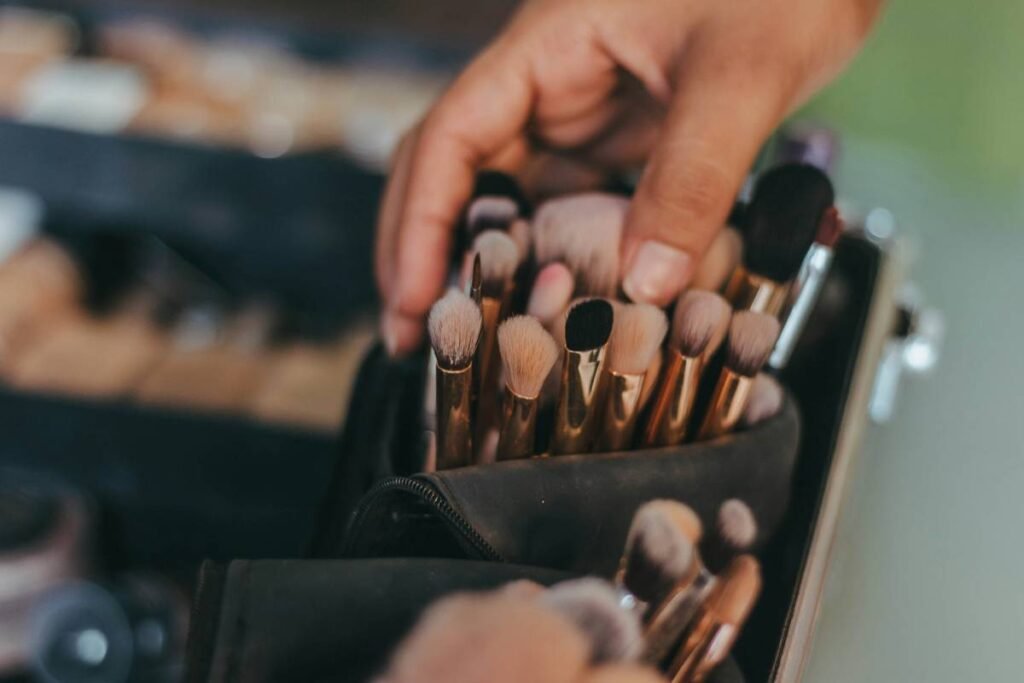
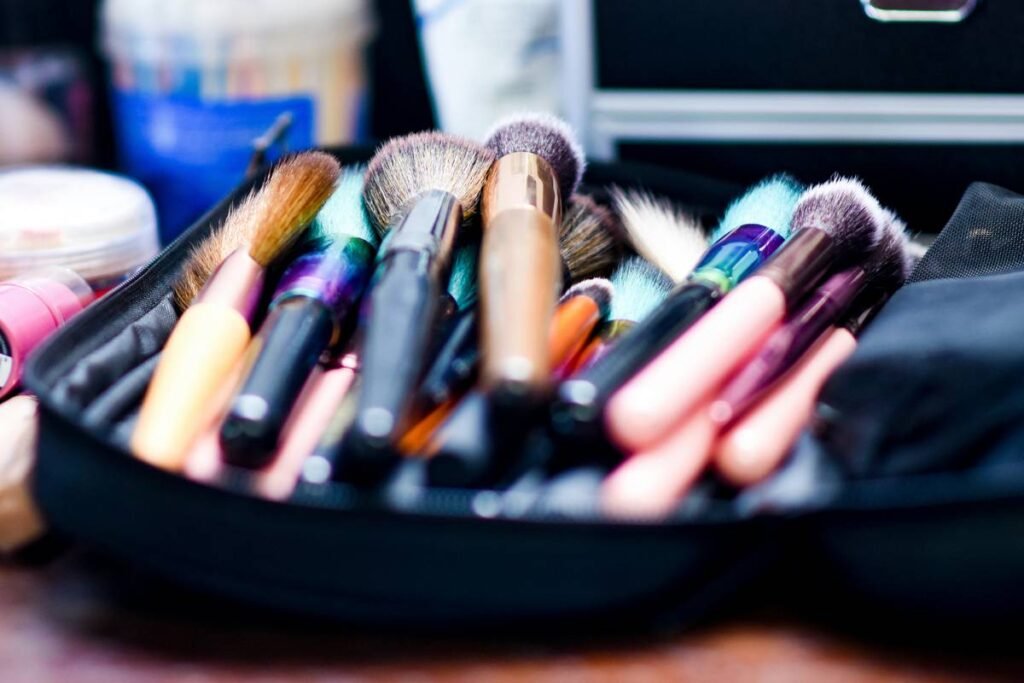
- Go vertical, not horizontal: Lay brushes upright in elastic slots—never loose. Horizontal storage = broken bristles and mixed pigments.
- Label everything: Use chalk markers on clear vinyl or mini tags. “Red Lipstick” > guessing which one is “Ruby Woo” vs. “Lady Danger.”
- Purge monthly: Toss anything expired (check PAO symbols! 🕒), dried-out, or unused for 90+ days. Less clutter = faster decisions.
- Wash your bag: Hand-wash with mild soap every 4 weeks. Air dry completely before reloading. Bacteria love dark, damp corners.
⚠️ Terrible Tip Alert: “Just throw everything in a pretty pouch—it’ll organize itself!” Nope. Pretty ≠ practical. I bought a $60 embroidered silk bag once. It stained after one concealer leak and frayed within weeks. RIP, fancy disaster.
Real Results: How One Organizer Transformed Daily Routines
Sarah K., a nurse and mom of twins, used to spend 12–15 minutes each morning hunting for her tinted moisturizer and brow gel. After switching to a compartmentalized clear organizer with labeled zones, her routine dropped to 7 minutes—freeing up 35+ hours a year.
Meanwhile, professional MUAs like James Chen (@JamesMakesUp) swear by customizable train cases with removable acrylic trays. “On set, I can’t afford to lose 30 seconds searching for a specific shade,” he told me. “My organizer pays for itself in saved time—and client trust.”
Brands like MUA Supply and ZOEVA now design bags with input from working artists—proof that function is finally winning over fluff.
Makeup Bag Organizer FAQs—Answered Honestly
What’s the difference between a makeup bag and a makeup bag organizer?
A makeup bag is any container that holds cosmetics. A **makeup bag organizer** has intentional compartments, dividers, or systems that keep items separated, visible, and accessible—reducing search time and product damage.
Are clear organizers better?
For most people, yes. Transparency eliminates guesswork. However, if you store light-sensitive products (like some vitamin C serums), opt for opaque or UV-protected materials.
How often should I clean my makeup bag?
Every 4 weeks minimum. If you use liquid products or travel frequently, clean it biweekly. Use a microfiber cloth and 70% isopropyl alcohol for disinfecting.
Can I use a pencil case as a makeup organizer?
Only for ultra-minimalists with dry products (powders, pencils). Pencil cases lack spill protection and brush support—and most aren’t designed for cosmetic chemical exposure.
Do expensive organizers last longer?
Not always. Durability depends on stitching, zipper quality, and lining—not price. I’ve seen $20 bags outlast $80 ones thanks to reinforced seams and YKK zippers.
Conclusion
A great makeup bag organizer isn’t about looking Instagrammable—it’s about reclaiming time, protecting your skin, and actually enjoying your beauty routine. Whether you’re a minimalist who owns three products or a collector with a 60-item arsenal, the right system turns chaos into calm.
Remember: organization is personal. Ignore trends. Audit your habits. Prioritize function over fashion. And for the love of hyaluronic acid, stop using that old Chipotle bag as your “emergency” makeup holder.
Now go forth—find your perfect organizer, and never lose your lip liner again.
Like a Tamagotchi, your makeup bag needs daily care… or it dies a messy, glittery death.