Ever rummaged through your makeup bag like it’s a black hole—digging past three expired concealers, a dried-out brow pencil, and that one broken eyeshadow that somehow still hasn’t escaped the zip? You’re not alone. In fact, a 2023 consumer habits survey by Statista revealed that 68% of women admit to owning more beauty products than they use regularly—and over half say their makeup bags are “chaotic” or “unusable.”
If your daily routine includes a frantic treasure hunt for your setting powder while you’re already late for work, this guide is your rescue mission. We’ll walk you through building a truly organized makeup bag—one that’s functional, travel-ready, and actually reflects your real-life needs (not your Pinterest fantasy).
You’ll learn how to audit your stash like a pro, choose the right bag for your lifestyle, implement foolproof organization systems, and avoid the #1 mistake that turns even luxury kits into clutter disasters.
Table of Contents
- Why Does an Organized Makeup Bag Even Matter?
- Step-by-Step: How to Create Your Dream Organized Makeup Bag
- 7 Pro Tips for Maintaining Makeup Bag Sanity
- Real-Life Case Study: From Mess to Minimalist Magic
- FAQs About Organized Makeup Bags
Key Takeaways
- An organized makeup bag saves time, reduces product waste, and prevents skin irritation from expired items.
- The right bag depends on your routine: commuters need compact, wipeable interiors; artists need compartmentalized totes.
- Use the “3-Category Sort” method: Daily Essentials, Occasional Use, and “Why Do I Still Own This?”
- Never skip weekly mini-audits—they take 90 seconds and prevent buildup.
- Vegan leather, nylon, and microfiber-lined bags are easiest to sanitize and maintain.
Why Does an Organized Makeup Bag Even Matter?
Let’s be real: a messy makeup bag isn’t just annoying—it’s a silent productivity killer and a potential skin health hazard. When you can’t find your concealer in the morning, you’re not just late—you’re stressed. And stress triggers cortisol spikes, which can worsen acne (per the Journal of Clinical and Aesthetic Dermatology, 2021).
Worse? Old, contaminated products breed bacteria. The FDA notes that mascaras should be tossed after 3 months because the wand introduces microbes into the tube each use. Yet most of us keep them until they flake like desert soil.
I learned this the hard way during my stint as a freelance makeup artist in NYC. One client broke out in a mysterious rash—turned out, her blush had been contaminated by a cracked foundation bottle that leaked for weeks inside her unlined velvet pouch. No compartments = cross-contamination city.
Step-by-Step: How to Create Your Dream Organized Makeup Bag
What’s the first thing I should do—buy a new bag?
Optimist You: “Yes! Treat yourself to that cute vegan leather organizer!”
Grumpy You: “Ugh, fine—but only if it has actual pockets, not just ‘aesthetic’ stitching that does nothing.”
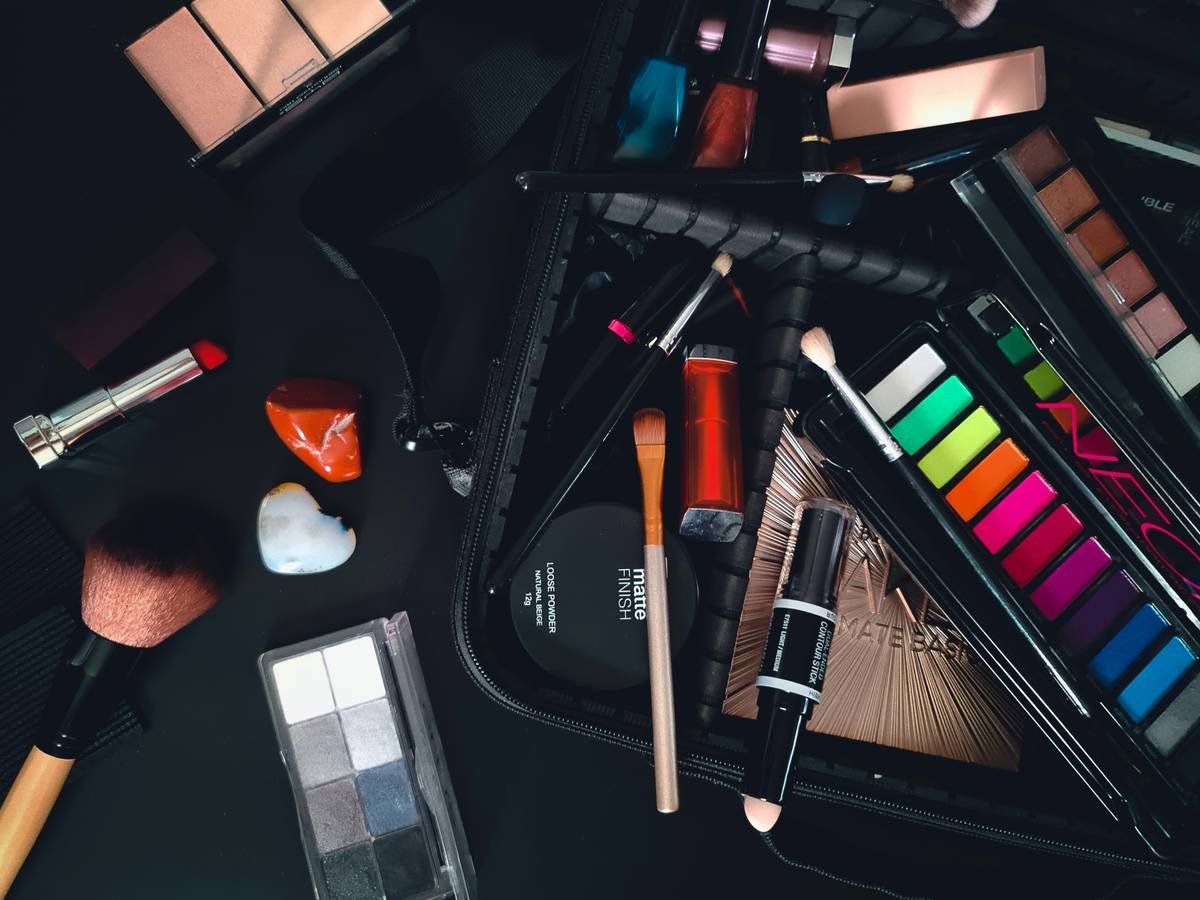
Before buying anything, **empty everything**. Yes, everything. Lay it all out on a clean towel under good lighting (natural is best). Then apply the **3-Category Sort**:
- Daily Essentials: Products you use 4+ days/week (e.g., tinted moisturizer, waterproof mascara, neutral lipstick).
- Occasional Use: Special-event items (red carpet red lips, liquid glitter, false lash glue).
- Toss/Donate Pile: Anything expired, dried out, or unused for 6+ months.
How do I choose the right bag?
Your lifestyle dictates your hardware:
- Commuters & Minimalists: Go for slim, flat pouches with 2–3 elastic loops (like the Sephora Collection Slim Organizer). Bonus if it’s wipeable—spills happen.
- Makeup Enthusiasts: Choose structured totes with removable inserts (e.g., Baggu Zip Pouch Large or Makeup Junkies Pro Case).
- Frequent Flyers: TSA-compliant clear bags with leak-proof compartments are non-negotiable (look for FDA-approved food-grade silicone linings).
How do I pack it without chaos returning in 48 hours?
Use the “Weight & Frequency” rule:
- Heavy items (foundations, serums) go at the bottom.
- Fragile items (compacts, glass bottles) nestle in padded side pockets.
- Daily essentials live near the top zipper for quick access.
And for heaven’s sake—**never toss brushes loose**. They shed bristles and smudge everything. Use roll-up brush holders or silicone bands.
7 Pro Tips for Maintaining Makeup Bag Sanity
- Label everything. Mini chalkboard stickers on product caps help identify shades fast (especially useful if you own 5 nude lipsticks).
- Sanitize weekly. Wipe interior with 70% isopropyl alcohol on a microfiber cloth—kills bacteria without damaging linings.
- Rotate seasonally. Swap out matte foundations for dewy tints in summer; stash bold glitters post-holidays.
- Use travel sizes wisely. Decant liquids into airtight, amber glass vials—they block UV light and prevent oxidation.
- Avoid magnetic closures. They degrade over time and can demagnetize credit cards if stored together.
- Invest in a mirror with LED lighting. Many premium bags (like Calpak’s Luka line) now include built-in mirrors—game changer for touch-ups.
- Store vertically. Standing your bag upright on a shelf prevents contents from sliding and mixing.
Terrible Tip Disclaimer
“Just throw everything in a clear plastic bag!” — NO. Clear plastic looks chaotic, scratches easily, and offers zero protection. Plus, UV exposure degrades active ingredients in skincare-makeup hybrids (like BB creams with SPF). Seen too many clients ruin $50 CC creams this way. Don’t be that person.
Rant Section: My Pet Peeve?
Bags marketed as “organized” with five stitched lines that don’t actually separate anything. You know the ones—cute as hell on Instagram, useless in reality. If I can’t wedge my concealer into its own slot without it rolling into my setting spray, it’s decorative trash. Function over fashion, people.
Real-Life Case Study: From Mess to Minimalist Magic
Last winter, my friend Lena—a busy ER nurse—asked for help. Her makeup bag was a biohazard zone: leaking eyeliner, crumbled bronzer, and a half-used sample of retinol cream (yes, in her makeup bag—yikes). She needed something fast, hygienic, and glove-friendly.
We implemented the 3-Category Sort, ditched 60% of expired products, and chose the Calpak Amber Vanity Case (water-resistant, antimicrobial lining, 8 compartments). Result? Her morning routine dropped from 12 minutes to 4—and she hasn’t had a single breakout since.
She now does weekly “bag checks” during her coffee cooldown. Total time invested: 90 seconds. Total payoff: clearer skin, less stress, and no more digging for brow gel mid-shift.
FAQs About Organized Makeup Bags
How often should I clean my makeup bag?
Wipe the interior weekly. Deep clean (including washing removable inserts) every 4–6 weeks. If you’ve had a cold sore or eye infection, sanitize immediately.
What’s the best material for an organized makeup bag?
Vegan leather with a polyester microfiber lining wins for durability and easy cleaning. Avoid suede, velvet, or mesh—they trap bacteria and stains.
Can I store skincare in my makeup bag?
Only stable, travel-sized skincare (e.g., sunscreen sticks, solid balms). Avoid serums with vitamin C or retinol—they degrade quickly when jostled and exposed to light/air.
Do I really need separate bags for travel vs. daily use?
If you travel monthly or more, yes. Daily bags should be lightweight; travel bags need rigid structure and leak-proof seals.
Conclusion
An organized makeup bag isn’t about perfection—it’s about intentionality. It’s the difference between starting your day frazzled or focused. By auditing your products, choosing functional hardware, and maintaining simple hygiene habits, you’ll save time, protect your skin, and actually enjoy your routine.
Remember: your bag should serve your life—not your Instagram grid. Now go forth, declutter, and may your lipstick always be where you left it.
Like a 2000s flip phone, your makeup bag should snap shut with satisfying finality—and open to exactly what you need.
Haiku of Hope:
Velvet chaos gone—
Lipstick lined up, brushes snug.
Morning peace restored.