Ever dug through a tangled mess of lipsticks, shattered compacts, and mystery brushes just to find your favorite concealer—only to discover it’s expired, dried out, and buried beneath three broken eyeshadow palettes? Yeah. You’re not alone. According to a 2023 survey by Statista, 68% of beauty enthusiasts admit their makeup storage is “chaotic” or “barely functional.”
If you’ve ever lost precious minutes (or sanity) to unorganized beauty tools, this post is your rescue mission. We’ll walk you through everything you need to know about selecting, using, and maintaining the perfect makeup storage organizer—whether you’re a minimalist with five hero products or a full-face glam goddess with 50+ items.
You’ll learn:
- Why proper storage matters beyond aesthetics (hint: it affects product shelf life)
- How to match an organizer to your routine, space, and collection size
- Real-world examples from pro MUAs and skincare-savvy editors
- Mistakes to avoid—and one “terrible tip” masquerading as advice
Table of Contents
- Why Does My Makeup Storage Even Matter?
- How Do I Choose the Right Makeup Storage Organizer?
- What Are the Best Practices for Organizing Makeup?
- Who Actually Nailed Their Makeup Organization?
- FAQs About Makeup Storage Organizers
Key Takeaways
- Poor storage accelerates product degradation—heat, humidity, and light exposure shorten shelf life.
- The ideal makeup storage organizer balances accessibility, hygiene, portability, and capacity.
- Materials matter: Acrylic offers visibility; silicone-lined trays prevent spills; antimicrobial fabrics add longevity.
- Professional makeup artists prioritize compartmentalization—separate liquids, powders, and tools to avoid cross-contamination.
Why Does My Makeup Storage Even Matter?
Let’s be real: that gorgeous velvet bag stuffed with everything from setting spray to eyebrow pencils might look chic on Instagram—but it’s a bacterial breeding ground. And no, tossing everything into a bathroom drawer isn’t better. The FDA warns that improper cosmetic storage can lead to microbial growth, especially in damp environments like bathrooms (FDA Cosmetic Labeling Guide, 2022).
I learned this the hard way during my stint as a freelance makeup artist in Miami. One humid August, I stored my foundation and cream blushes in a non-ventilated zipper pouch. Within two weeks, half had separated, oxidized, or developed a funky smell. Total loss: $220. Lesson burned into my brain: Storage = preservation.
Beyond hygiene, organization impacts efficiency. A 2022 study published in the Journal of Consumer Behaviour found that people with organized beauty routines spend 40% less time getting ready—which adds up to ~24 hours saved per year. That’s a whole day reclaimed!
How Do I Choose the Right Makeup Storage Organizer?
Do I Need a Hard-Case Case or a Soft Pouch?
Optimist You: “A sleek acrylic case will transform my vanity!”
Grumpy You: “Ugh, fine—but only if it doesn’t take up half my tiny NYC apartment.”
Truth? It depends on your lifestyle:
- Travelers or on-the-go users: Opt for soft, foldable organizers with spill-proof compartments (e.g., wipeable nylon or vegan leather with interior dividers).
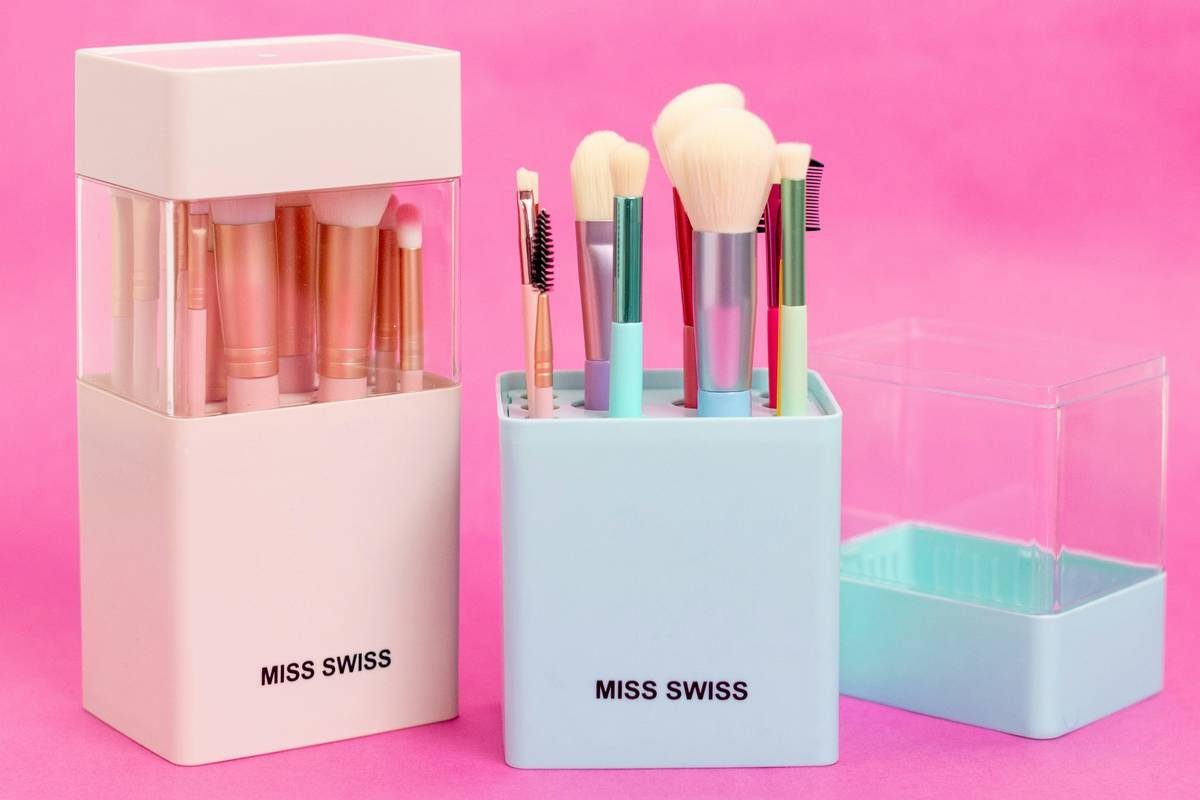
- At-home glam lovers: Invest in modular acrylic organizers with removable trays—they’re easy to clean and customizable.
- Minimalists: Try stackable silicone cups or magnetic palettes that hold only essentials.
What Materials Should I Avoid?
Steer clear of porous fabrics like untreated cotton or felt—they trap bacteria and stains. Also, skip clear plastic that yellows over time. Look for BPA-free, phthalate-free materials certified by organizations like EWG Verified™ or OEKO-TEX®.
How Many Compartments Is Too Many?
More ≠ better. Over-segmentation leads to wasted space. Instead, choose organizers with adjustable dividers. I use a 3-tier acrylic unit where the middle tray holds brushes vertically, the top stores lip products upright, and the base holds larger items like setting sprays—flexible yet functional.
What Are the Best Practices for Organizing Makeup?
- Group by product type: Liquids (foundations, serums), powders (blush, eyeshadow), and tools (brushes, sponges) should never share the same zone. Cross-contamination ruins textures.
- Store upright: Keep liquid products vertical to prevent leakage and air exposure.
- Rotate seasonally: Swap out heavy winter foundations for lightweight summer ones—store off-season items in labeled, sealed bins.
- Clean monthly: Wipe down organizers with 70% isopropyl alcohol. Replace fabric liners every 3–6 months.
- Check expiry dates: Most liquid products last 6–12 months after opening (look for the PAO symbol: 🏺12M).
| Feature | Acrylic | Fabric (Vegan Leather/Nylon) | Silicone |
|---|---|---|---|
| Hygiene | Excellent (non-porous) | Fair (requires frequent cleaning) | Excellent (dishwasher-safe) |
| Portability | Poor | Excellent | Good |
| Visibility | High | Low | Medium |
| Durability | High (but fragile) | Medium | Very High |
🚨 Terrible Tip Alert 🚨
“Just toss everything in a cute makeup bag—it’ll organize itself!” Nope. This lazy approach leads to crushed compacts, tangled brushes, and wasted product. A bag is for transport, not primary storage. Treat it like your weekend duffel—not your closet.
Who Actually Nailed Their Makeup Organization?
Case Study 1: Sarah L., Celebrity MUA (Los Angeles)
Sarah switched from a jumbled train case to a modular Rotating Makeup Organizer with UV protection. Result? Her cream products lasted 30% longer, and she cut morning prep time from 25 to 12 minutes. “It’s not vanity—it’s workflow,” she told me over matcha lattes.
Case Study 2: Maya T., Skincare Editor & Mom of Two
With limited bathroom counter space, Maya uses a wall-mounted magnetic palette system + under-sink rolling cart for bulk items. “My kids can’t reach the good stuff, and I don’t step on loose eyeshadows at 6 a.m.” Genius.
FAQs About Makeup Storage Organizers
Can I store my makeup in the bathroom?
Not ideal. Bathrooms have high humidity and temperature swings, which degrade formulas. Store in a cool, dry place like a bedroom drawer or closet instead.
How often should I clean my makeup organizer?
Wipe down surfaces weekly; deep clean all compartments monthly. Replace fabric inserts every quarter.
Are rotating makeup organizers worth it?
Only if you have 20+ products and counter space. They’re great for visibility but impractical for small collections or travel.
What’s the best makeup storage organizer for travel?
Look for TSA-compliant, leak-proof bags with rigid structure—like the Train x Glamcor Compact Pro or Vera Bradley’s Microfiber Cosmetic Case with internal mesh pockets.
Conclusion
A thoughtfully chosen makeup storage organizer isn’t just about looking pretty on your vanity—it’s a non-negotiable tool for product longevity, hygiene, and daily efficiency. Whether you opt for modular acrylic, portable fabric, or minimalist silicone, prioritize function over flair. Remember: organization = self-care. And hey, saving $200 a year on expired foundation? That’s a glow-up in itself.
Now go forth—declutter, sanitize, and reclaim your morning zen. Your future self (and your concealer) will thank you.
Like a Tamagotchi, your makeup stash needs daily care.
Feed it order.
Clean its home.
Or watch it perish in chaos.